Resource guide — Updated 10 August 2026
Render, Brick & Masonry Painting
What makes render, brick and masonry different to paint, so it stays put.
Masonry Coating Advice
Painting Render, Brick & Masonry
Our Render, Brick & Masonry Painting advice explains how porosity, moisture and the existing surface affect coating choice and preparation.
Render, Brick and Masonry Are Not the Same Surface
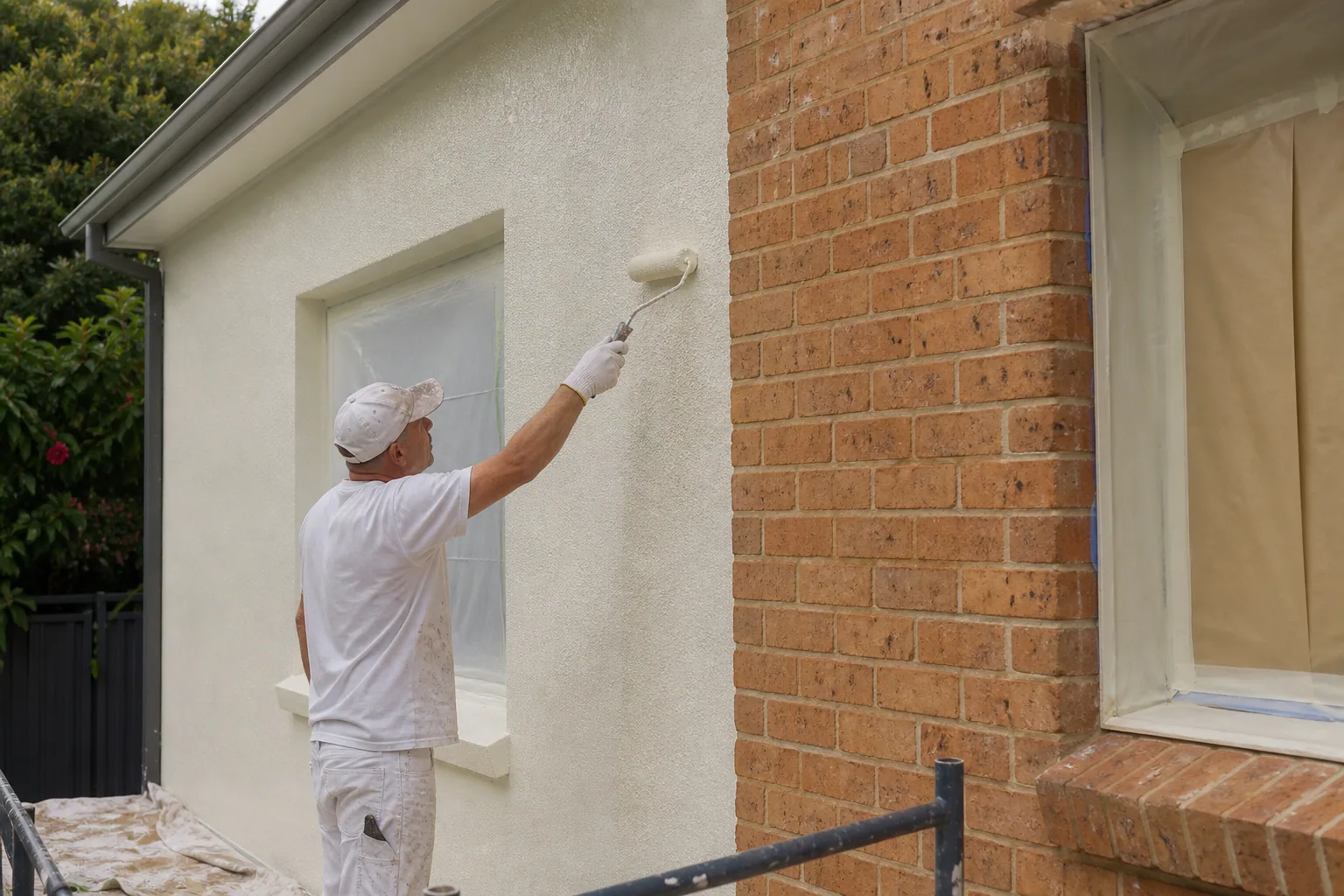
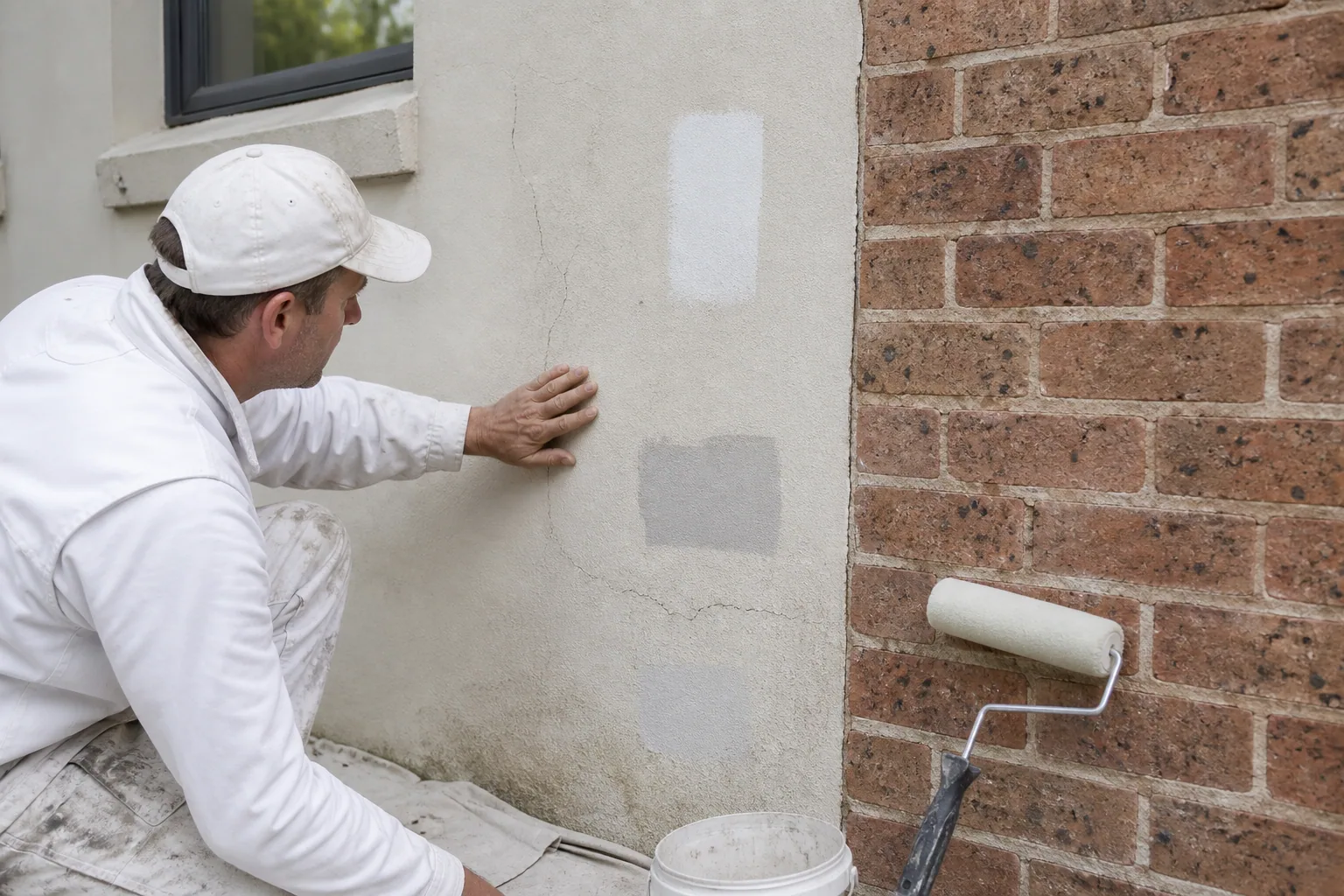
Render, face brick, and other masonry surfaces all behave differently under paint. Render is typically a cement or acrylic-based coating applied over brick or blockwork, and it can develop fine surface cracking as it cures and moves. Face brick, if it hasn't been painted before, is a far more porous and textured surface that soaks up paint differently across each brick and the mortar joints between them. Painting over previously painted masonry is different again, since the condition of the existing coating becomes the deciding factor in how much preparation is needed.
Understanding which of these you're dealing with matters because it changes both the preparation required and the type of paint that will perform best. A system that suits a smooth, previously painted render wall isn't automatically right for raw face brick or for masonry with a history of moisture problems.
Preparing Masonry Properly
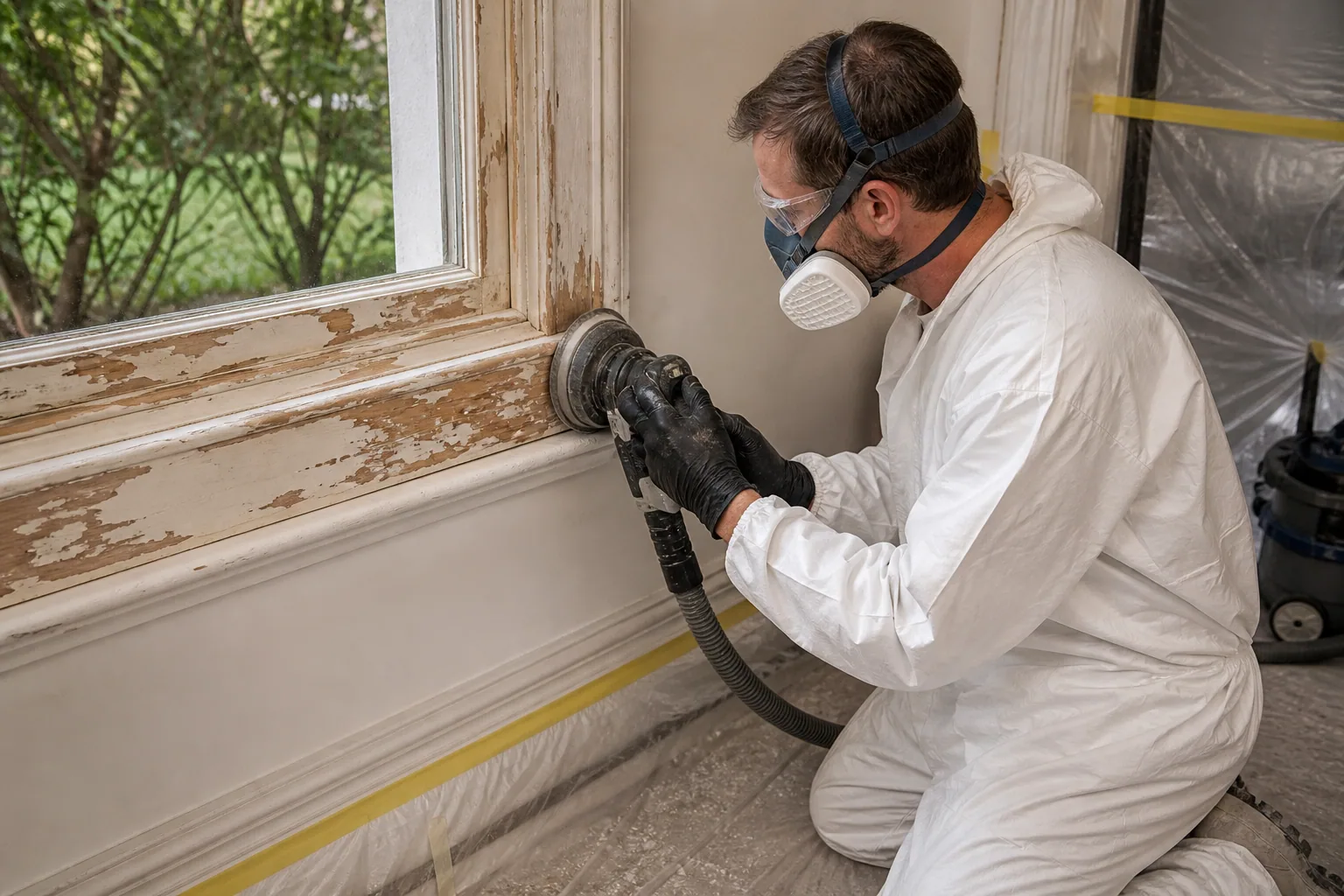
Masonry surfaces need to be clean, dry and structurally sound before any paint goes on. That means removing surface dirt, mould, moss and any loose or flaking old paint, and checking for efflorescence, the white powdery salt deposits that can form as moisture moves through masonry and evaporates at the surface. Painting over active efflorescence traps the underlying moisture problem rather than solving it, so it needs to be brushed or washed off and the moisture source addressed first.
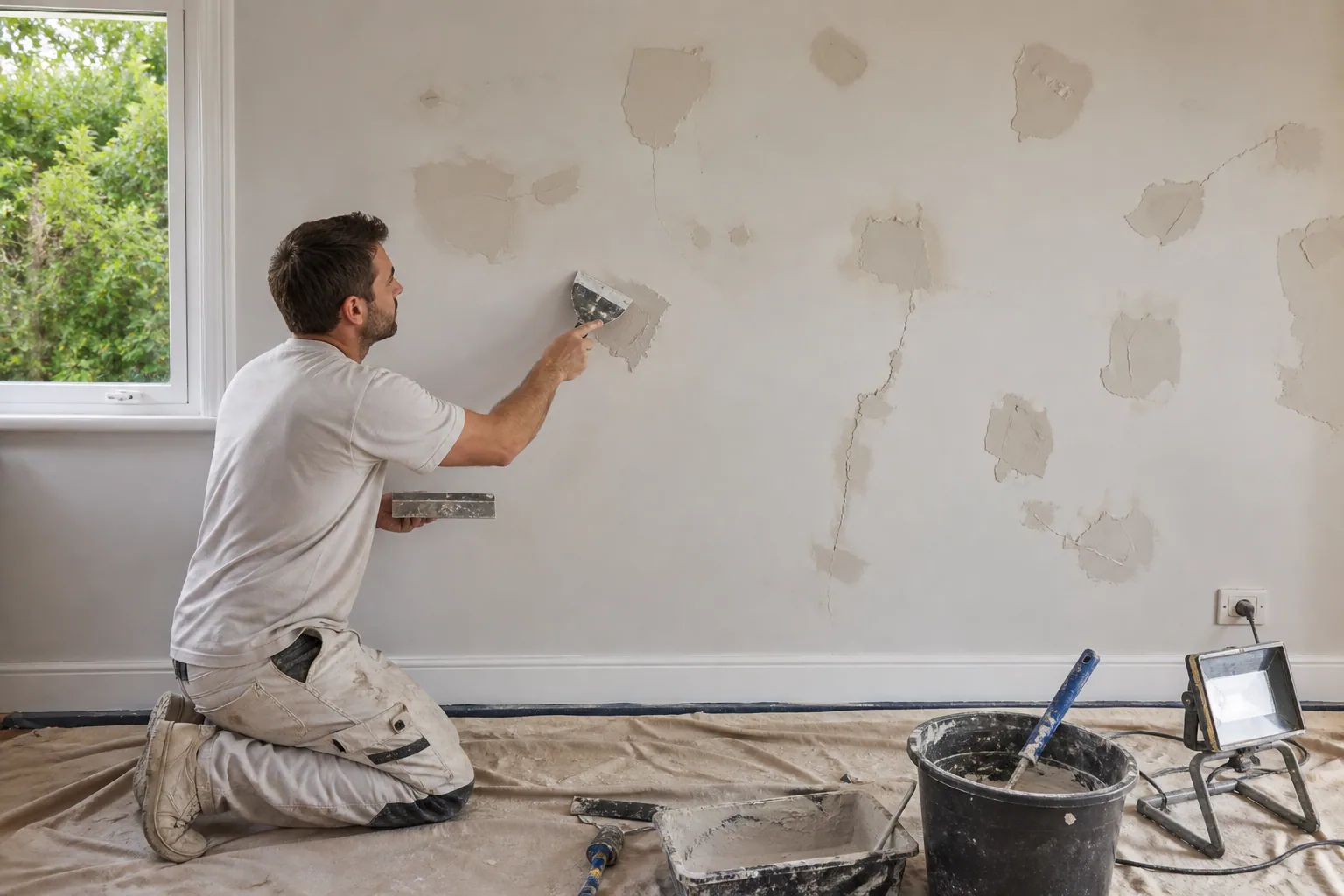
Cracks are common in render and need proper assessment rather than a quick coat of paint. Fine hairline cracking is often just surface movement and can be filled with a flexible masonry filler, but wider or stepped cracking can point to structural movement that should be looked at before cosmetic work goes ahead. Any new render or masonry repairs also need adequate curing time before painting, since paint applied too early can trap moisture in the substrate.
Choosing a Paint System for Masonry
Masonry needs to breathe. Moisture moves through render and brick more than most people expect, so a paint system that's too impermeable can trap water vapour behind the film and lead to blistering or peeling later on. Quality exterior acrylic paints formulated for masonry are the standard choice for most homes, and they're usually applied over a masonry-specific primer or sealer that helps even out porosity across brick, mortar and render so the topcoat goes on consistently.
On surfaces with a history of dampness or salt staining, a specialised sealer or masonry primer designed to manage moisture is often worth the extra step, since it gives the topcoat a much better chance of staying put. Colour and sheen choice also affects performance to some degree; darker colours absorb more heat and can accelerate wear on sun-exposed walls, worth factoring into the decision alongside the look you're after.
Common Masonry Problems on North Shore Homes
Spalling, where the surface of render or brick flakes and breaks away, is often a sign of trapped moisture, sometimes from a previous non-breathable coating, sometimes from rising damp or a leaking detail like a window sill or balcony junction. Rising damp shows up as persistent staining or paint failure low on a wall, usually within the first metre or so, and repainting over it without addressing drainage or damp-proofing will only mean the problem reappears through the new coat.
On sloped North Shore blocks, retaining walls and lower-level masonry are particularly prone to moisture issues from poor drainage or garden beds banked up against the wall. It's worth having any wall with a pattern of recurring paint failure properly assessed rather than simply repainting it again and expecting a different result.
New Render and Brick vs Previously Painted Surfaces
Freshly rendered walls need to cure for a period before painting, and even then usually benefit from a specific primer designed for new masonry rather than going straight to a standard topcoat. Unpainted face brick that's being painted for the first time is a bigger decision than a straightforward recoat, since it's largely a one-way change; once brick is painted, returning to bare brick is a difficult and often impractical process, so it's worth being confident in the colour and finish before starting.
Previously painted masonry in reasonable condition is generally the simplest scenario: a wash, appropriate spot preparation, and a fresh coat of a compatible paint system is often enough, provided the existing coating is sound and there's no underlying moisture issue driving repeated failure.
Maintenance and Recoat Timing
A well-prepared, well-painted masonry surface generally lasts longer between recoats than most people expect, but sun-exposed elevations, especially north and west-facing walls, tend to chalk and fade fastest and may need attention before the rest of the house. Keeping garden beds, mulch and dense planting clear of direct contact with rendered or brick walls also helps reduce moisture problems that shorten a coating's life.
A simple periodic check for hairline cracking, chalking, or the early signs of efflorescence lets small issues get addressed while they're still minor, rather than waiting until a full wall has failed and needs a much larger repair and repaint.
Sources & further reading
Authoritative references for the safety, planning and product considerations discussed in this guide.
Frequently asked questions
Quick answers to follow-up questions on this topic.
Fine, stable hairline cracking can usually be filled with a flexible masonry filler and painted over, but wider, stepped or actively growing cracks should be assessed first, since they can indicate movement that cosmetic filling won't resolve.
Repeated peeling in one spot is often a sign of trapped or ongoing moisture, whether from rising damp, a leaking detail nearby, or a previous non-breathable coating, and repainting without finding the moisture source usually leads to the same failure again.
It's a bigger decision than repainting an already-painted wall, since painted brick is very difficult to return to its original bare state, so it's worth being confident about the colour and finish and getting professional advice before committing.
Yes. Masonry needs a breathable system that lets moisture escape rather than trapping it behind the film, whereas timber weatherboard needs a more flexible film that can move with the timber, so the two surfaces are usually treated with different primers and, in some cases, different topcoats.