Interior House Painting
Interior wall, ceiling and trim painting for North Shore homes, prepped for a lasting finish.
Explore service →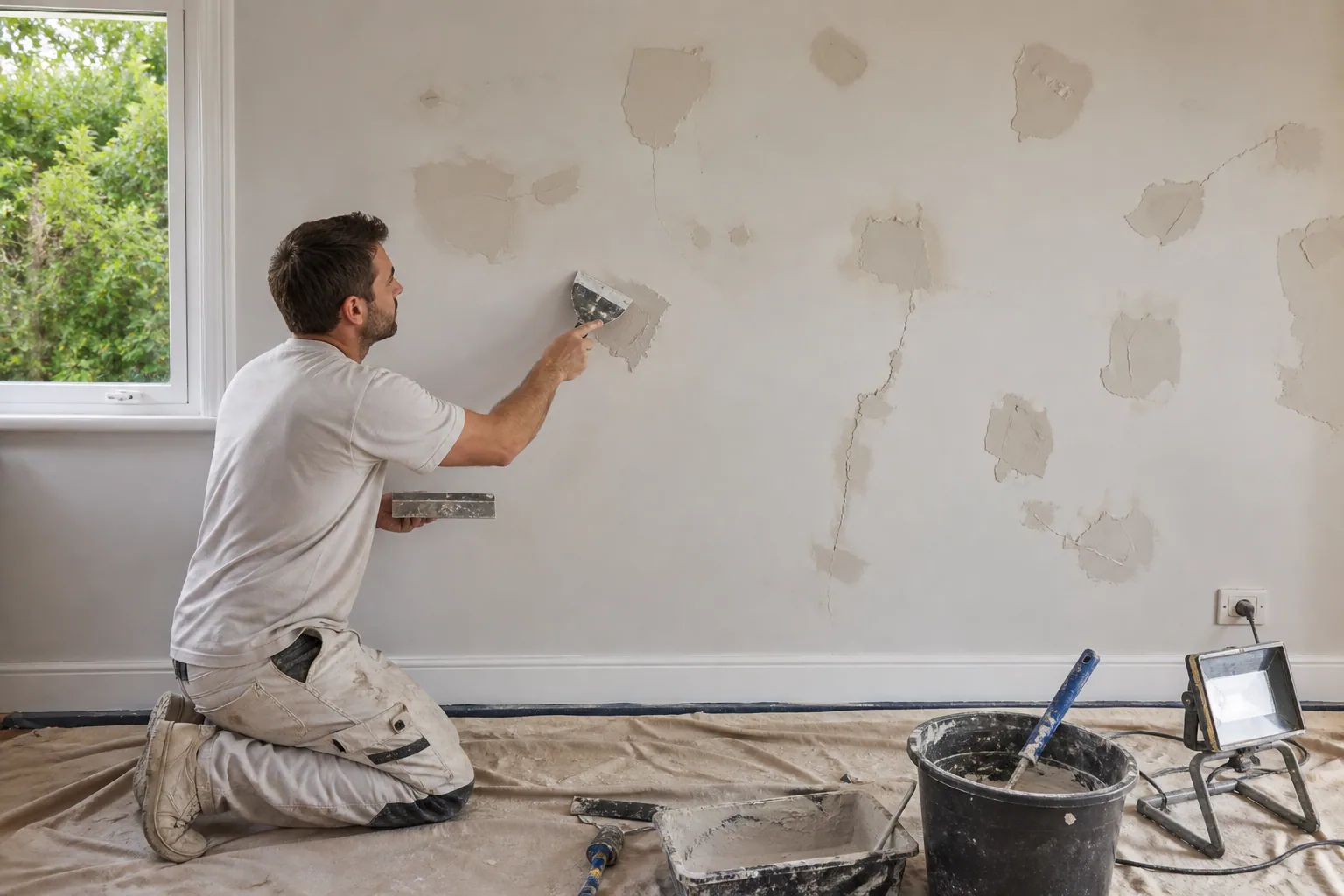
Service
Repairing cracked, damaged or water-stained plaster so walls and ceilings are sound before painting.
Plaster Repairs Specialists
For Plaster Repairs North Shore, careful preparation, a suitable coating system and a clearly defined quotation shape the project.
No amount of careful painting will hide a poorly repaired crack - damage in plasterboard or solid plaster tends to show through paint, especially under natural light. Settlement cracks in older homes, water-damaged sections and cracking around cornice joints are all common issues we see across North Shore properties.
Plaster repairs cover cracks, water-damaged sections and general plaster damage, getting surfaces properly flat and sound before paint is applied. Getting this stage right matters more than people often expect, since paint reveals every imperfection in the surface underneath it, particularly with satin or gloss finishes.
This work is usually carried out as preparation ahead of a repaint, whether that's a single damaged wall, a full room refresh, or repairs needed after a leak, renovation or years of general settling.
Who this is for: This service suits homeowners dealing with cracked or damaged plaster ahead of a repaint, older homes with recurring settlement cracks, water-damaged or stained ceilings and walls, and renovators repairing plaster disturbed during other works.
A quick look at what's covered when you book this service.
We inspect walls and ceilings for cracks and damage before quoting the repair work, checking joints, corners and cornice lines closely. This assessment shapes exactly what repair approach the property actually needs.
Cracks along joints, corners and cornice lines are repaired using techniques suited to where they've appeared. These spots move differently to flat wall areas, so the repair approach accounts for that.
Appropriate compounds are matched to plasterboard or solid plaster, since these materials behave differently under repair. Using the right product for the specific plaster type helps the repair actually hold.
Repaired areas are sanded and smoothed flush with the surrounding surface, so the patch doesn't read as a raised or uneven spot. This flush finish is essential for repairs to disappear once painted.
Repaired sections receive spot priming or sealing before the main topcoat, preventing them from flashing through under certain light. This step is what stops a repair from becoming visible again once painted over.
Larger structural or water-damage issues are identified and referred on if needed, rather than simply filled and painted over. We flag anything that looks like it needs a builder's attention before proceeding.
Surrounding texture is matched where practical, so the repair blends into the wall or ceiling rather than standing out. This attention to detail is what makes a repair genuinely disappear once finished.
We check all repaired surfaces are smooth and ready before painting proceeds, confirming the preparation work is genuinely complete. This final review protects the quality of the finished paint job that follows.
Here's what to expect from your first enquiry through to the final coat.
We assess the extent of cracking and damage across the relevant walls and ceilings and provide a written quote for the repair work involved.
Cracks and damaged sections are repaired using compounds matched to the plaster type, with attention to matching the surrounding surface texture.
Once dry, repairs are sanded flush and spot-primed or sealed so they don't show through the new paintwork.
We check all repaired areas are smooth and ready, then proceed to painting or hand the surface back to you ready for your own painter.
A few of the things we weigh up when choosing the right product for this job.
Spot priming repaired areas helps prevent them flashing through the topcoat under certain light, which is a common giveaway of a rushed repair. This step is what makes a patch genuinely disappear once the final coat goes on.
Flexible fillers help with recurring hairline cracks in older plaster, accommodating minor ongoing movement in a way a rigid filler can't. This is worth using wherever a crack has reappeared after a previous, less flexible repair.
Flatter, low-sheen finishes tend to disguise minor surface imperfections better than gloss, which highlights every small variation in a repaired surface. This makes lower sheens a sensible choice for walls and ceilings with multiple patched areas.
A full coat over patched areas, rather than just touch-ups, usually gives the most even result across the whole wall or ceiling. Isolated touch-ups tend to show as a slightly different tone once the surrounding paint has aged.
Water-damaged areas may need a stain-blocking primer before repainting, sealing the stain so it doesn't bleed through the new topcoat. This step should only happen once the underlying cause of the water damage has actually been fixed.
Textured fillers matched to the surrounding surface help disguise a repair once painted over, particularly on ceilings or walls with an existing decorative texture. Getting this match right is what makes a repair blend in rather than stand out.
What to expect in terms of timing and access while the work is underway.
Plaster repair work does create some dust, particularly from sanding filled areas, so floors and furniture nearby are usually covered or moved during this stage. Repairs need time to dry and cure before sanding and priming, which can add a day or so to the schedule ahead of painting, especially for larger cracks.
A few reasons homeowners and property managers choose not to DIY this job.
Not every crack means the same thing, and telling a cosmetic settlement crack apart from a sign of ongoing structural movement matters before deciding on a repair. We assess this properly and flag anything that looks like it needs a builder's attention.
A repair that doesn't match the texture around it stands out as obviously as the crack it replaced. We work to blend repaired sections into the surrounding wall or ceiling finish, so the result looks like it was never damaged.
Repairs that aren't sanded properly flush with the surrounding surface tend to flash through paint under certain light, especially with satin or gloss finishes. We take the time to get this stage right so the repair genuinely disappears once painted.
Plasterboard, solid plaster and different crack sizes all call for different fillers and compounds to repair properly. We choose products suited to the specific plaster type and damage involved, rather than using one filler for every situation.
Repairs need proper drying and curing time before sanding and priming, and rushing this sequence is a common cause of patches showing through later. We build the right timeframes into the schedule rather than skipping ahead to save a day.
Hairline cracks that keep reappearing after a quick fix usually need a flexible filler suited to ongoing minor movement, not another rigid patch. We address the underlying pattern rather than repeating the same repair that failed the first time.
Straight answers to the questions we're asked most often about plaster repairs.
Not if they're properly filled, sanded flush and spot-primed beforehand - rushed or unsanded repairs are usually what causes patches to flash through, especially under certain lighting.
Not necessarily - many older North Shore homes have minor, ongoing settlement cracking that's cosmetic rather than structural. That said, if cracks are large, growing, or appearing alongside other issues, it's worth having a builder assess the situation before repainting.
It depends on the size of the repair and the product used, but most repairs need at least a day to dry fully before sanding and priming, with larger cracks sometimes needing longer.
In most cases, yes - we aim to match the surrounding texture as closely as practical, though very specific decorative or heavily textured finishes can sometimes be harder to blend perfectly.
Crack repairs deal with structural joints and cracking in the plaster itself, while general patching usually covers smaller, separate marks like nail holes and dents - we offer patching as a distinct service for that kind of work.
Other services North Shore properties often combine with this one.
Interior wall, ceiling and trim painting for North Shore homes, prepped for a lasting finish.
Explore service →Thorough stripping and preparation of failed, multi-layered paintwork on older North Shore homes.
Explore service →Filling gaps around cornices, skirting and architraves so trim lines sit flush and clean before painting.
Explore service →Filling nail holes, dents and small surface damage so walls and ceilings are smooth and ready for paint.
Explore service →A sample of the suburbs where we take on this kind of work.
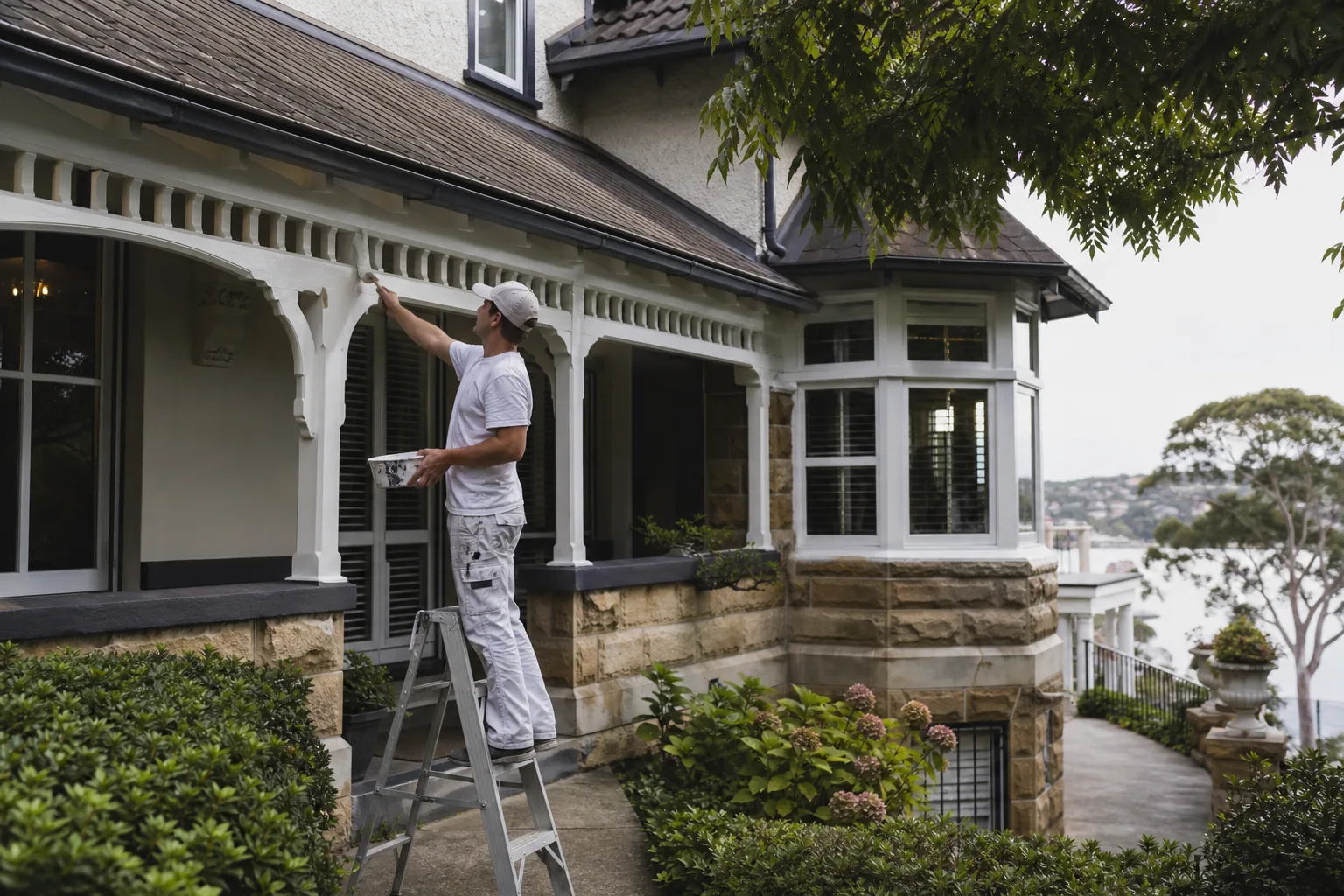
Devonport is one of Auckland's best-preserved heritage suburbs, with streets of Victorian and Edwardian villas…
Painters in Devonport →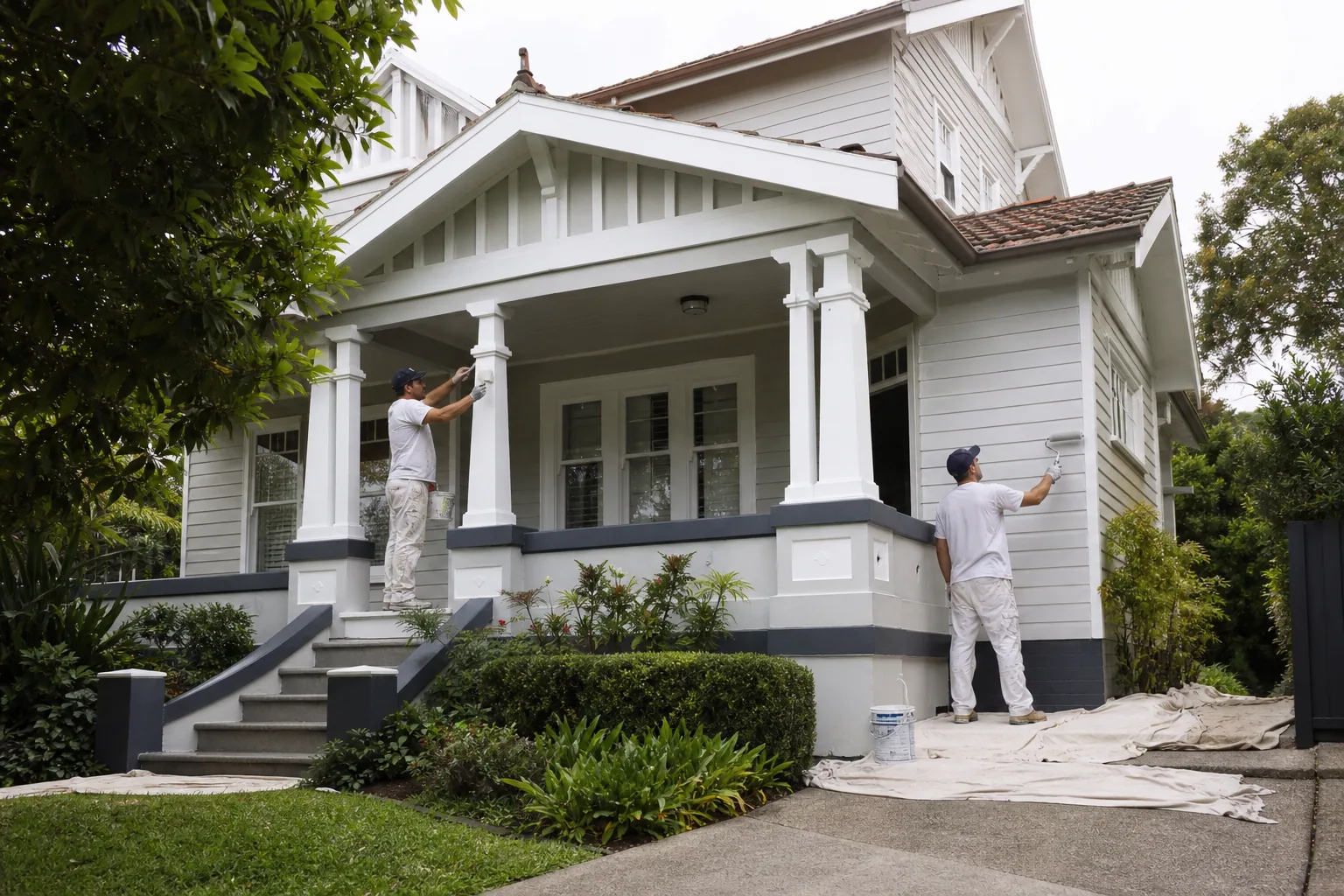
Mairangi Bay is a well-established East Coast Bays suburb known for its beach, cafe strip and family-friendly …
Painters in Mairangi Bay →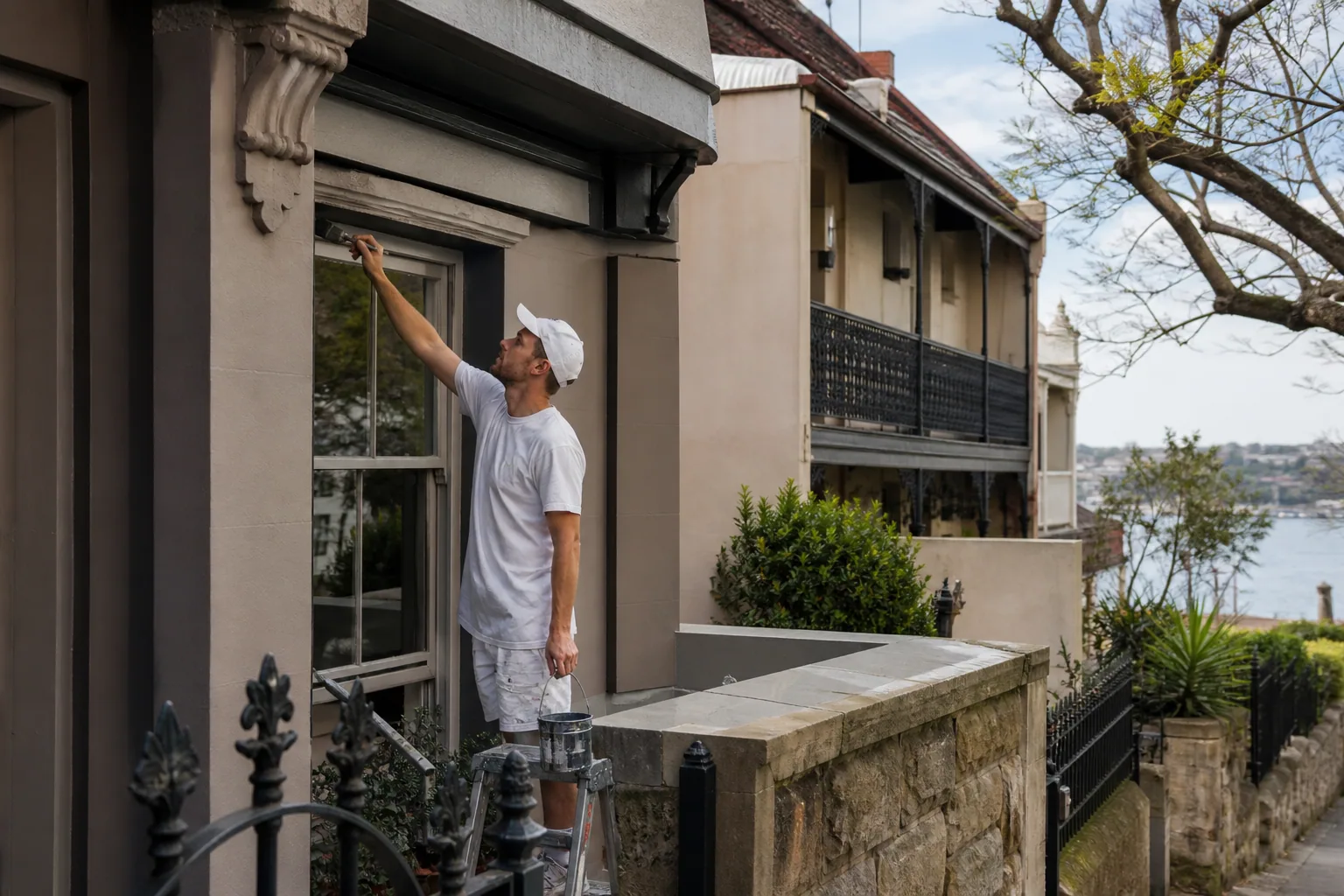
Northcote Point is a small, tightly held heritage pocket on a peninsula jutting into the Waitemata Harbour, ri…
Painters in Northcote Point →Whether it's a single room or a full property, we bring the same careful preparation to every plaster repairs job.
Get in touch today for a free, no-obligation quote — we're happy to talk through the scope before you commit to anything.