Interior House Painting
Interior wall, ceiling and trim painting for North Shore homes, prepped for a lasting finish.
Explore service →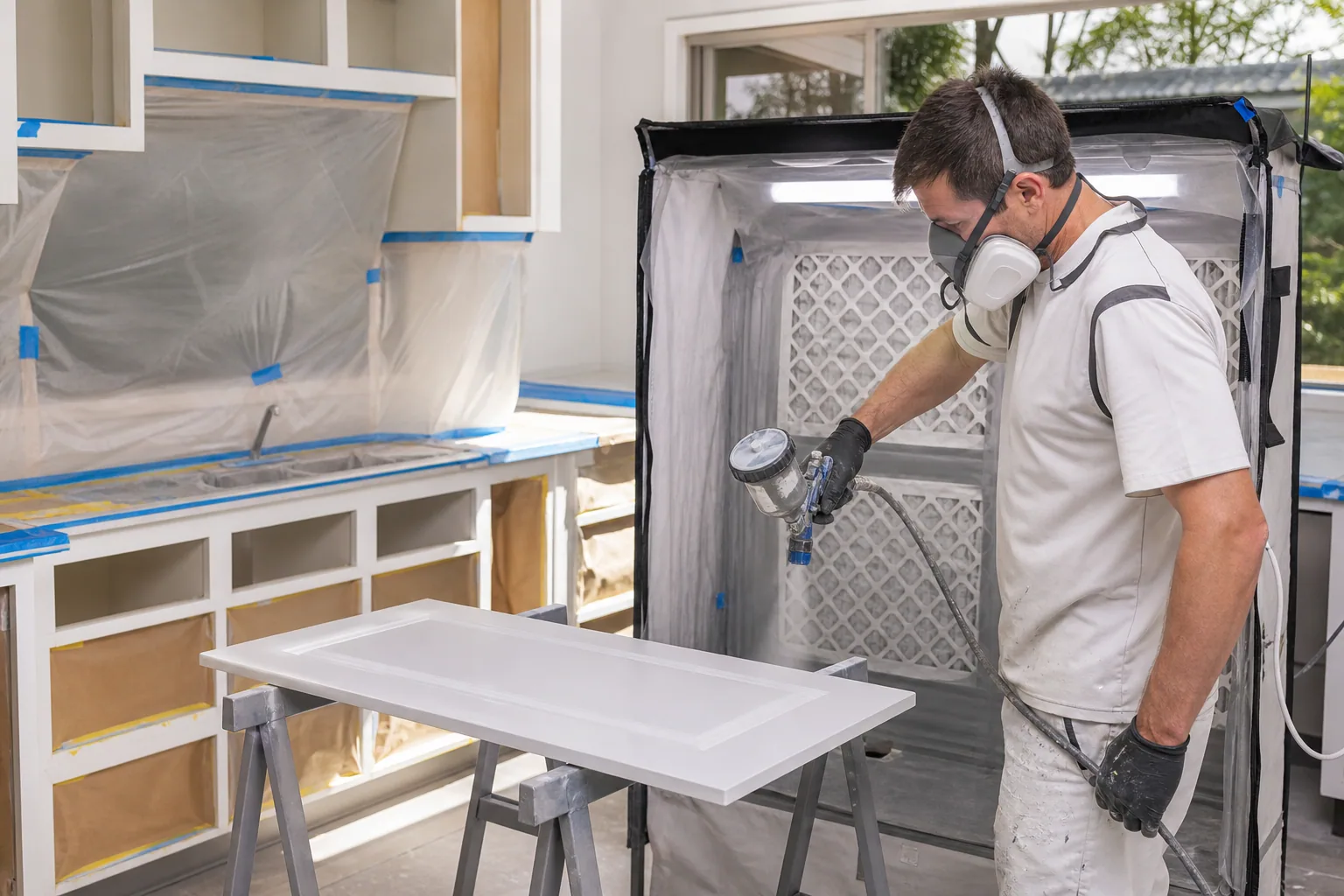
Service
A cost-effective alternative to a full kitchen renovation, with a smooth, factory-style finish.
Kitchen Cabinet Painting Specialists
For Kitchen Cabinet Painting North Shore, careful preparation, a suitable coating system and a clearly defined quotation shape the project.
A kitchen can feel dated long before the cabinetry itself is actually worn out. Timber veneer doors that have yellowed, laminate that's chipped at the edges, or a colour scheme that no longer suits the rest of the home are common reasons North Shore homeowners look at their kitchen and want a change - without the cost, mess and time of a full renovation.
Cabinet painting and refinishing involves careful preparation of doors, drawer fronts and cabinet frames - cleaning grease and grime, sanding or de-glossing existing finishes, and filling any chips or dents - before applying a specialist cabinet-grade coating. Done properly, it gives a smooth, even, factory-style finish that can transform the look of a kitchen in a fraction of the time of a full replacement.
This approach suits kitchens with sound cabinet carcasses and doors that simply need a new look, whether that's a crisp white update to a timber-toned 1990s kitchen or a bolder colour change on cabinetry that's structurally fine but visually tired.
Who this is for: This service is suited to homeowners with existing cabinetry that's structurally sound but visually dated, whether that's timber veneer, laminate or previously painted doors. It's a good fit for kitchens being refreshed ahead of sale, owners wanting a new look without a full renovation, and cabinetry in laundries, bathrooms or built-in wardrobes that would benefit from the same treatment.
A quick look at what's covered when you book this service.
We assess your existing cabinetry's materials and condition on-site before recommending an approach, checking whether laminate, veneer or previously painted surfaces need different preparation. This informs a written quote covering the full scope of work.
Doors and drawer fronts are removed, labelled and often prepared off-site or in a dust-controlled area away from the kitchen itself. This approach reduces dust and fumes in the room while the main preparation work happens.
All surfaces are degreased and cleaned thoroughly before any sanding or priming, removing the kitchen grease and grime that builds up over years of use. Skipping this step is a common reason new coatings fail to adhere properly.
Existing finishes are sanded or de-glossed to give the new coating something to grip onto, since smooth laminate and gloss surfaces resist paint otherwise. This preparation step is essential for a durable, long-lasting result.
Chips, dents and minor damage are filled and smoothed before priming, so the finished doors look genuinely refreshed rather than repaired. This attention to detail matters most on cabinetry viewed up close every day.
Specialist cabinet-grade primer and topcoats are used rather than standard wall paint, since kitchen cabinetry needs to resist grease, moisture and daily knocks. These products are formulated specifically for the demands of everyday kitchen use.
Doors, drawers and hardware are reinstalled once the coating has cured, with hinges adjusted so everything closes and aligns properly. Careful labelling during removal means everything goes back exactly where it came from.
We check alignment, finish quality and overall coverage before considering the job complete, addressing any touch-ups needed. This final review is what ensures the kitchen looks genuinely finished, not just freshly painted.
Here's what to expect from your first enquiry through to the final coat.
We assess your existing cabinetry, discuss colour and finish options, and provide a written quote covering preparation, painting and reinstallation.
Doors, drawer fronts and hardware are removed and labelled, surfaces are degreased and sanded or de-glossed ready for primer.
A cabinet-grade primer is applied first, followed by topcoats built up in thin, even layers for a smooth, durable finish.
Doors and drawers are reinstalled, hinges and hardware are adjusted, and we check alignment and finish quality before we consider the job complete.
A few of the things we weigh up when choosing the right product for this job.
Cabinet-grade enamels are formulated to resist kitchen grease, moisture and everyday knocks better than standard wall paint, which simply isn't designed for this level of daily wear. Choosing the right product matters more here than almost any other interior surface.
A hard-curing finish helps resist scuffing around handles and high-touch edges, which take more contact than any other part of a cabinet door. This durability is what separates a lasting refinish from one that chips within months.
Satin or semi-gloss sheens are common for kitchens as they wipe clean easily, coping with the grease and splashes that are simply part of everyday cooking. Flatter finishes tend to show marks and stains more readily in this environment.
Proper de-glossing or sanding of existing laminate is essential for the new coating to adhere, since smooth factory finishes resist paint otherwise. Skipping this preparation step is one of the most common reasons a cabinet refinish fails early.
Full cure time is usually longer than surface-dry time, so doors need careful handling before that point even once they feel dry to the touch. Rushing reinstallation before full cure risks marking a finish that hasn't fully hardened yet.
Colour and sheen samples tested under kitchen lighting help avoid surprises once the whole run of cabinetry is finished, since artificial task lighting can change how a colour reads. This is worth doing before committing to a full kitchen's worth of doors.
What to expect in terms of timing and access while the work is underway.
Cabinet painting can be done with doors and drawer fronts removed for preparation and coating off-site or in a dust-controlled area, then reinstalled once cured, which helps reduce dust and fumes in the kitchen itself. Even so, you should expect the kitchen to be at least partially unusable for a period while doors and drawers are off their hinges, and it's worth planning meals or storage around limited access to some cupboards during that time.
A few reasons homeowners and property managers choose not to DIY this job.
A smooth, brush-mark-free result that looks close to factory cabinetry takes thin, even coats built up in the right sequence. We aim for a finish that genuinely reads as professional refinishing, not visibly hand-painted cabinet doors.
Kitchen cabinetry takes daily grease, moisture and knocks around handles and edges, and a standard wall paint won't cope with that wear. We use cabinet-grade enamels formulated specifically to handle everyday kitchen use.
Laminate and timber veneer need thorough degreasing and de-glossing before any primer goes on, or the new coating simply won't adhere. Getting this preparation right is what stops paint from peeling off smooth cabinet surfaces down the track.
Removing, labelling and reinstalling every door and drawer front takes careful organisation, especially across a full kitchen. We manage this process so everything goes back exactly where it came from, with hinges and hardware properly aligned.
A kitchen is hard to fully close off from the rest of a home, so managing dust and fumes matters more here than in an isolated room. We plan the process to limit disruption to the wider household while work is underway.
Refinishing sound cabinetry costs a fraction of a full kitchen replacement while still delivering a genuinely updated look. We help you get that transformation without the expense, mess and time a full renovation would involve.
Straight answers to the questions we're asked most often about cabinet refinishing.
Laminate cabinetry can generally be painted, provided it's properly cleaned, de-glossed and primed with a coating designed to adhere to laminate surfaces. Timber and timber veneer doors are also suitable candidates.
This varies with the size of the kitchen and number of doors involved, but you should plan for a period where some or all cabinet doors and drawers are off their hinges for preparation, coating and curing before reinstallation.
Cabinet-grade coatings are formulated specifically to handle kitchen conditions better than standard wall paint, but like any painted surface they'll perform best with reasonably gentle, non-abrasive cleaning.
A full colour change is generally possible as long as the existing surface is properly prepared and primed - it's one of the main reasons people choose cabinet painting over trying to match a discontinued colour.
Cabinet painting typically focuses on doors, drawer fronts and frames rather than benchtops, since benchtop materials often need different specialist coatings or resurfacing - we can talk through options if your benchtop needs attention too.
Other services North Shore properties often combine with this one.
Interior wall, ceiling and trim painting for North Shore homes, prepped for a lasting finish.
Explore service →Crisp, durable painting of skirting boards, architraves, cornices and dado rails for a finished, polished look.
Explore service →Thorough stripping and preparation of failed, multi-layered paintwork on older North Shore homes.
Explore service →Professional guidance on choosing colours suited to your home's style, light and setting before painting begins.
Explore service →A sample of the suburbs where we take on this kind of work.
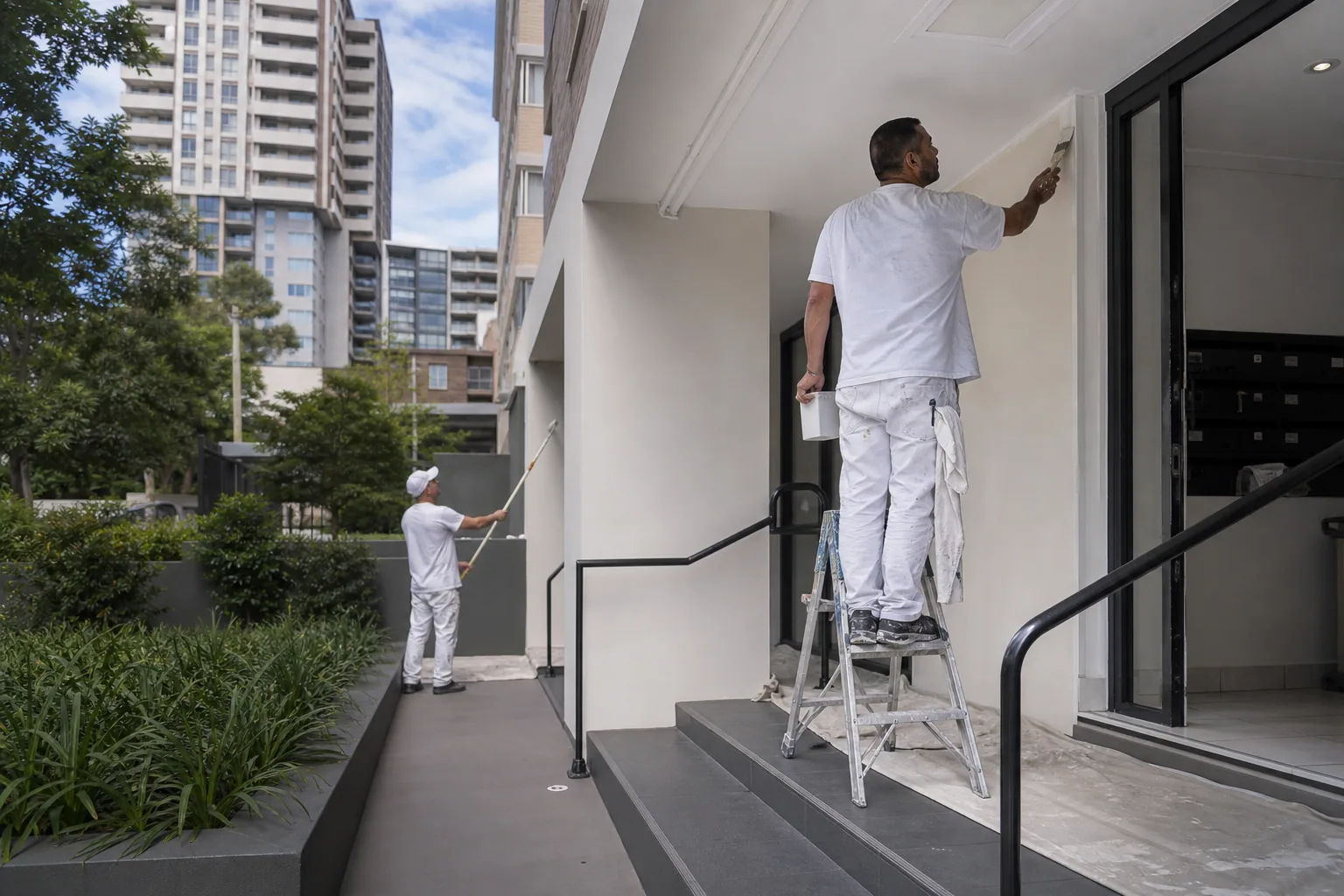
Takapuna is the North Shore's commercial and social hub, with a beachfront strip of cafes and apartment towers…
Painters in Takapuna →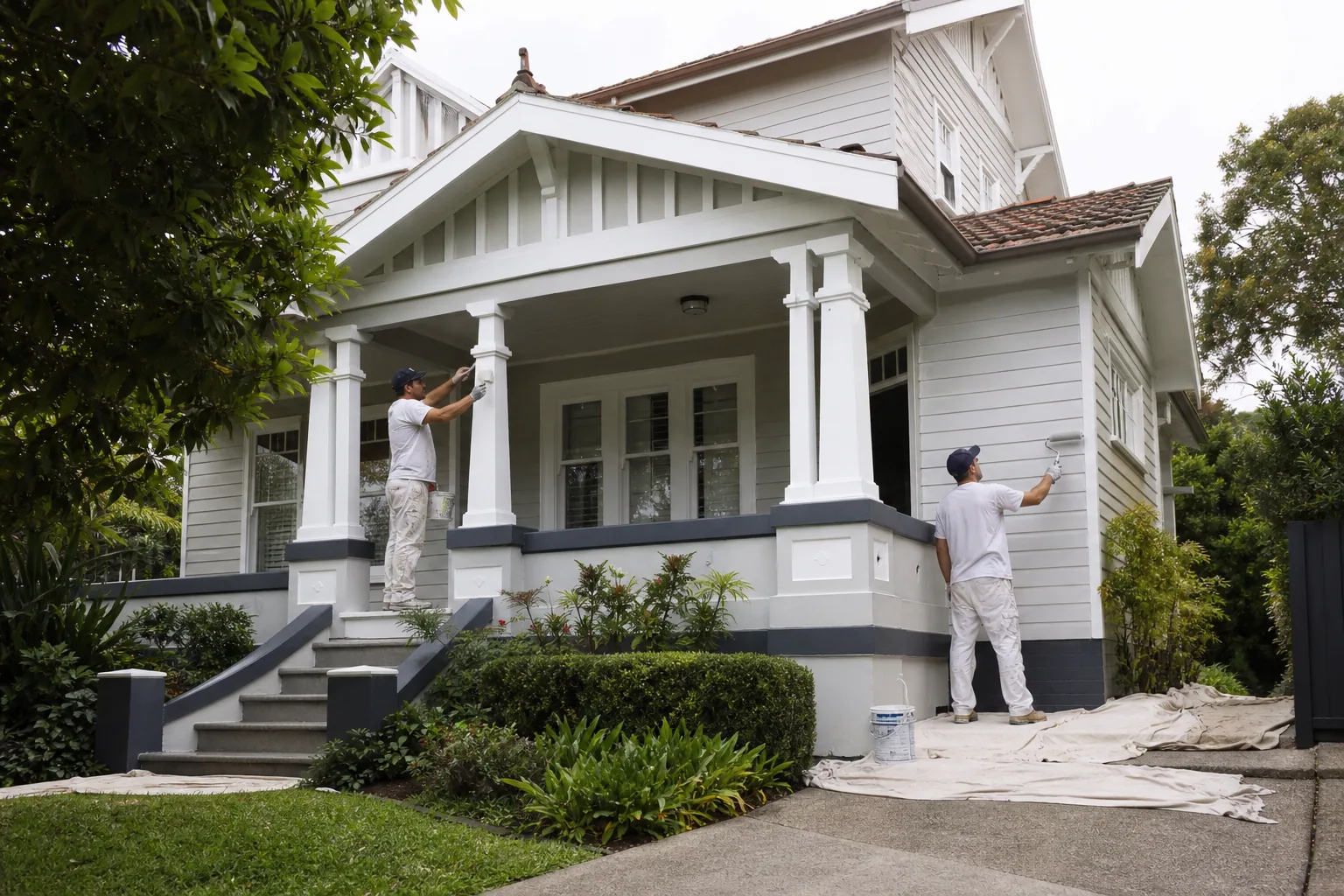
Mairangi Bay is a well-established East Coast Bays suburb known for its beach, cafe strip and family-friendly …
Painters in Mairangi Bay →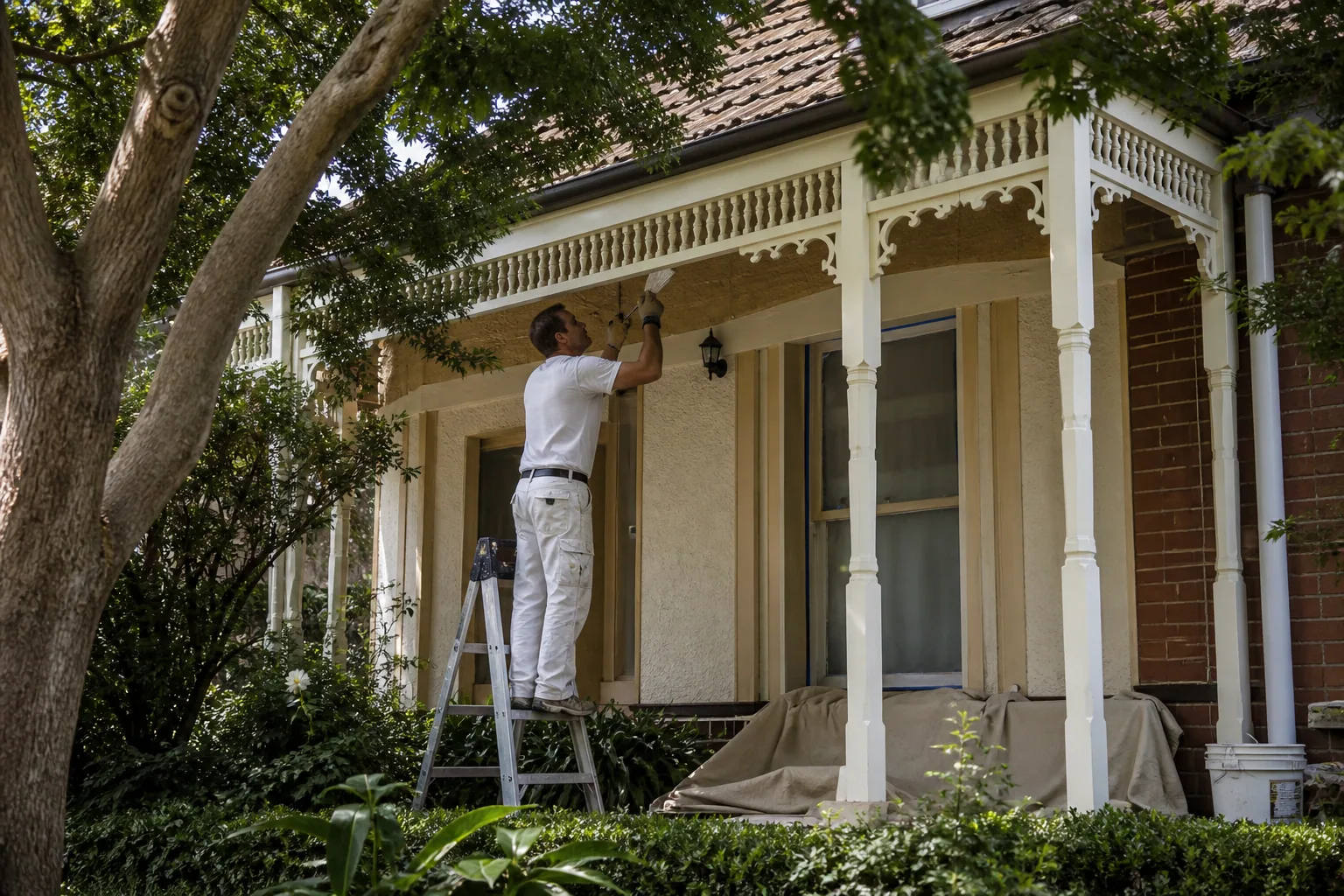
Glenfield is an established inland suburb built up mainly from the 1960s through the 1980s, with a genuine mix…
Painters in Glenfield →Whether it's a single room or a full property, we bring the same careful preparation to every cabinet refinishing job.
Get in touch today for a free, no-obligation quote — we're happy to talk through the scope before you commit to anything.