Interior House Painting
Interior wall, ceiling and trim painting for North Shore homes, prepped for a lasting finish.
Explore service →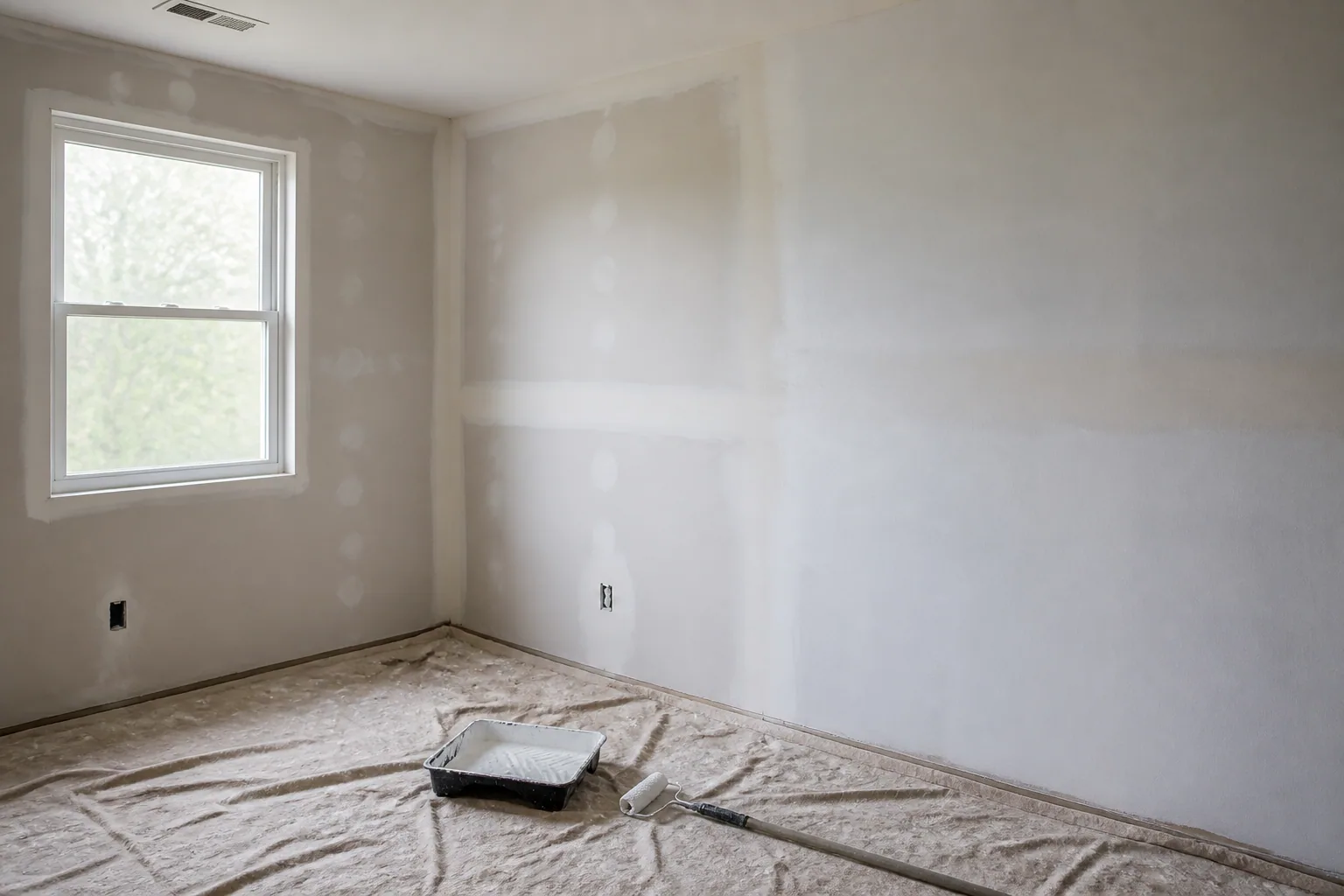
Service
Priming and painting plasterboard walls and ceilings, including feature walls, for an even, long-lasting finish.
Drywall Painting Specialists
For Drywall Painting North Shore, careful preparation, a suitable coating system and a clearly defined quotation shape the project.
Plasterboard, or drywall, sits behind most interior walls and ceilings, and it behaves differently to paint than people often expect. New sheets and the set compound used at their joints absorb paint at different rates, so without the right sealer, joint lines and screw dimples can flash through the topcoat under certain light, especially with satin or gloss finishes.
Our drywall painting service covers new and existing plasterboard walls and ceilings, from the first coat on freshly installed sheets to refreshing an existing drywall room, plus feature or accent walls where a bolder colour or contrasting finish is wanted against the surrounding plain walls.
Whether it's a newly built extension bringing fresh plasterboard that needs a full priming and painting sequence, or an existing room getting a feature wall treatment, the aim is even coverage and a finish that doesn't reveal every joint and screw point once the light catches it.
Who this is for: This service suits homeowners with newly installed or renovated plasterboard walls and ceilings needing their first coat, anyone noticing joint lines or screw dimples showing through existing paint, a single feature or accent wall on drywall wanted in a bolder colour or finish, and renovators or extension owners bringing new drywall areas up to a finished standard.
A quick look at what's covered when you book this service.
We assess the plasterboard's condition and how well joints have been finished before recommending an approach. This informs how much sealing and preparation the drywall needs before it can take paint evenly.
Set compound is sanded and dusted down before priming, smoothing joints so they don't create a visible ridge under the new coating. This preparation step matters for how flush the finished wall ultimately looks.
An appropriate sealer or primer is applied to new or repaired drywall, addressing the different porosity between plasterboard and joint compound. Skipping this step is the main reason joints flash through paint later.
Two coats are applied in your chosen colour and sheen for even, durable coverage across the whole wall. This layered approach helps disguise the underlying material differences between sheet and compound.
Adjoining trim and fixtures are carefully masked before painting, keeping drywall work from leaving marks on surfaces it shouldn't touch. This attention to detail is standard practice, not an extra step.
Joints and screw points receive particular attention to ensure coverage stays even across the whole surface. Getting this right is what stops these areas from reading differently to the rest of the wall once painted.
A feature or accent wall can use a contrasting sheen or finish to create genuine visual interest against the surrounding walls. We're happy to advise on combinations that work well together for your space.
We check the finished wall under raking light, such as from a window or lamp, to catch any flashing joints before handover. This is the most reliable way to spot imperfections invisible under normal room lighting.
Here's what to expect from your first enquiry through to the final coat.
We look at the plasterboard involved, discuss colour and sheen options, and provide a written quote for the scope of work.
Set compound is sanded and dusted down, and adjoining trim and fixtures are carefully masked.
A suitable sealer or primer is applied, followed by two coats in the chosen finish for even coverage across the drywall.
We check for flashing joints under different light and address any final touch-ups before handover.
A few of the things we weigh up when choosing the right product for this job.
A dedicated sealer or primer helps new or repaired plasterboard take the topcoat evenly, addressing the different porosity between drywall sheets and joint compound. Skipping this step is a common reason joints flash through paint later.
Flat or low-sheen finishes disguise minor joint imperfections better than gloss, which tends to highlight every small variation in a plasterboard surface. This makes lower sheens a sensible default for most drywall walls and ceilings.
Feature walls can use a different sheen or finish entirely to create contrast with the surrounding walls, adding visual interest without needing a different colour. This is a simple way to lift a room using drywall's flexibility as a surface.
Checking finished walls under raking light helps catch flashing joints before handover, since this lighting angle reveals imperfections invisible under normal room lighting. This final check is what separates a genuinely smooth result from one that only looks fine at a glance.
An extra coat may be needed where a bold feature colour goes over a lighter existing colour, since strong colours often need more coverage to read evenly. Planning for this avoids a patchy, uneven-looking feature wall.
Tinted sealers can help even out patchy plasterboard joints before the main topcoat is applied, giving a more consistent base to paint over. This is particularly useful on walls with multiple repaired or re-stopped sections.
What to expect in terms of timing and access while the work is underway.
Drywall painting is generally a contained interior job, though the rooms involved will be out of use while drying between coats, and furniture is usually moved clear of the walls being painted. New-build or renovation drywall painting is often scheduled once other trades have finished dust-generating work.
A few reasons homeowners and property managers choose not to DIY this job.
New plasterboard and joint compound absorb paint at different rates, and skipping a proper sealer is a common reason joints and screw dimples flash through the topcoat later. We seal correctly the first time so this doesn't become an issue after handover.
Plasterboard sheets and set compound have different porosity, which can show up as uneven sheen if coverage isn't managed carefully. We apply coats with this in mind, so the finished wall reads as one consistent surface rather than a patchwork of textures.
Flashing joints are often invisible under normal room lighting but obvious the moment a lamp or window catches the wall at an angle. We check finished walls under raking light before calling the job done, not just under standard lighting.
A feature or accent wall on drywall can use a different sheen or colour to create genuine contrast with the surrounding walls. We're happy to advise on combinations that work well together rather than leaving that choice to guesswork.
Skirting, architraves and fixtures need careful masking so drywall painting doesn't leave marks or overspray on adjoining surfaces. We work cleanly around these details as a matter of course, not as an afterthought once the main walls are done.
Fresh plasterboard from an extension or renovation needs a full priming and painting sequence before it can be treated as a finished wall. We handle this first-coat stage properly, so new spaces match the standard of the rest of the home.
Straight answers to the questions we're asked most often about drywall painting.
Yes, a dedicated sealer or primer helps new plasterboard and set compound absorb paint evenly, rather than leaving joints and screw dimples visible once the topcoat goes on.
This usually happens when plasterboard joints weren't properly sealed before painting, so the compound absorbs paint differently to the surrounding sheet. Sealing correctly the first time avoids this.
Yes, a single feature wall is a common and straightforward request - we can advise on colour and finish choices that will work well against the rest of the room's existing palette.
New plaster and set compound need to be fully dry before painting, and timing depends on the extent of the work - we'll advise on a sensible timeframe once we've seen the surface.
Yes, we check finished walls under raking light, such as from a window or lamp, since this is the best way to catch any joints or dimples that might otherwise go unnoticed until later.
Other services North Shore properties often combine with this one.
Interior wall, ceiling and trim painting for North Shore homes, prepped for a lasting finish.
Explore service →Repairing cracked, damaged or water-stained plaster so walls and ceilings are sound before painting.
Explore service →Filling gaps around cornices, skirting and architraves so trim lines sit flush and clean before painting.
Explore service →Professional guidance on choosing colours suited to your home's style, light and setting before painting begins.
Explore service →A sample of the suburbs where we take on this kind of work.
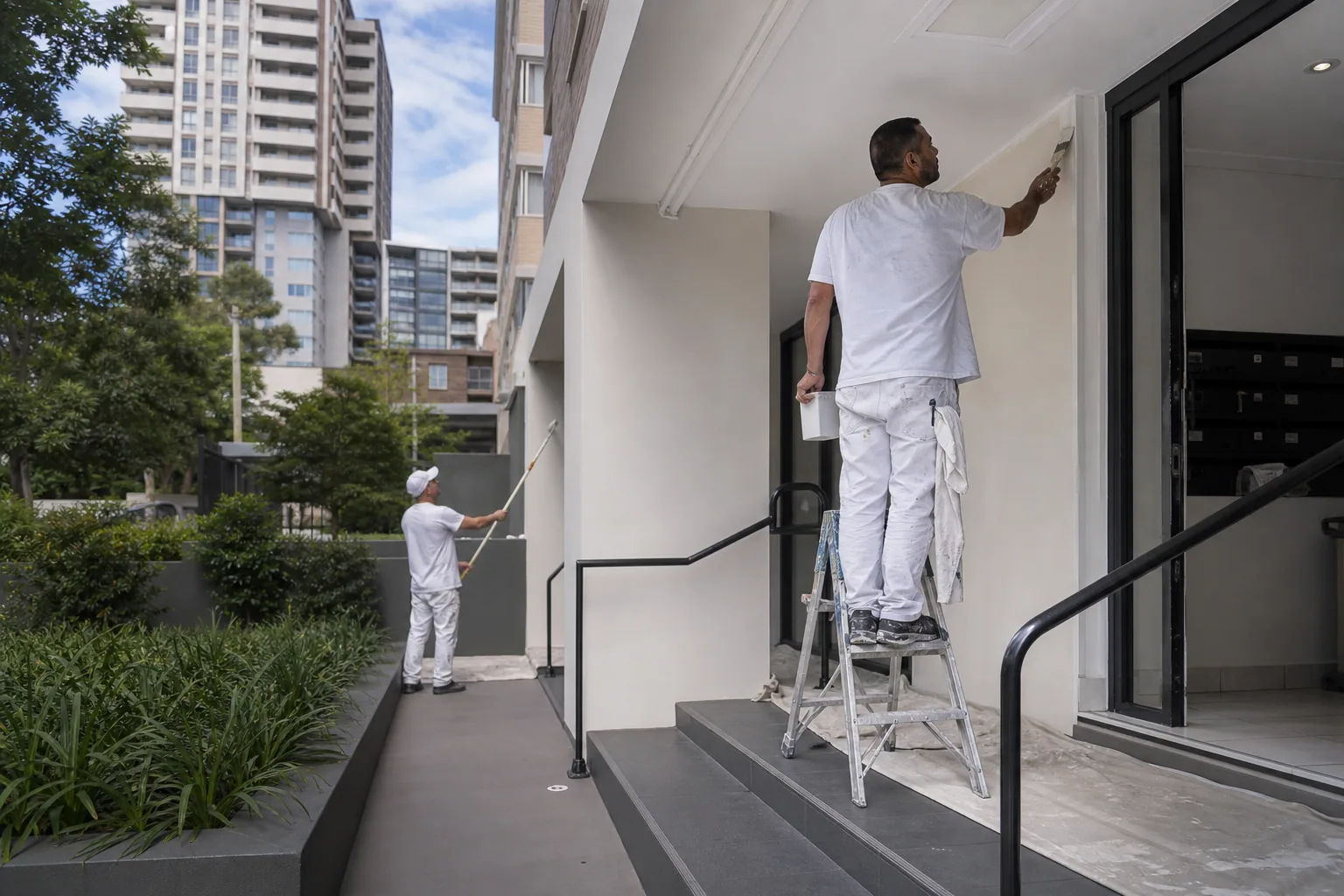
Takapuna is the North Shore's commercial and social hub, with a beachfront strip of cafes and apartment towers…
Painters in Takapuna →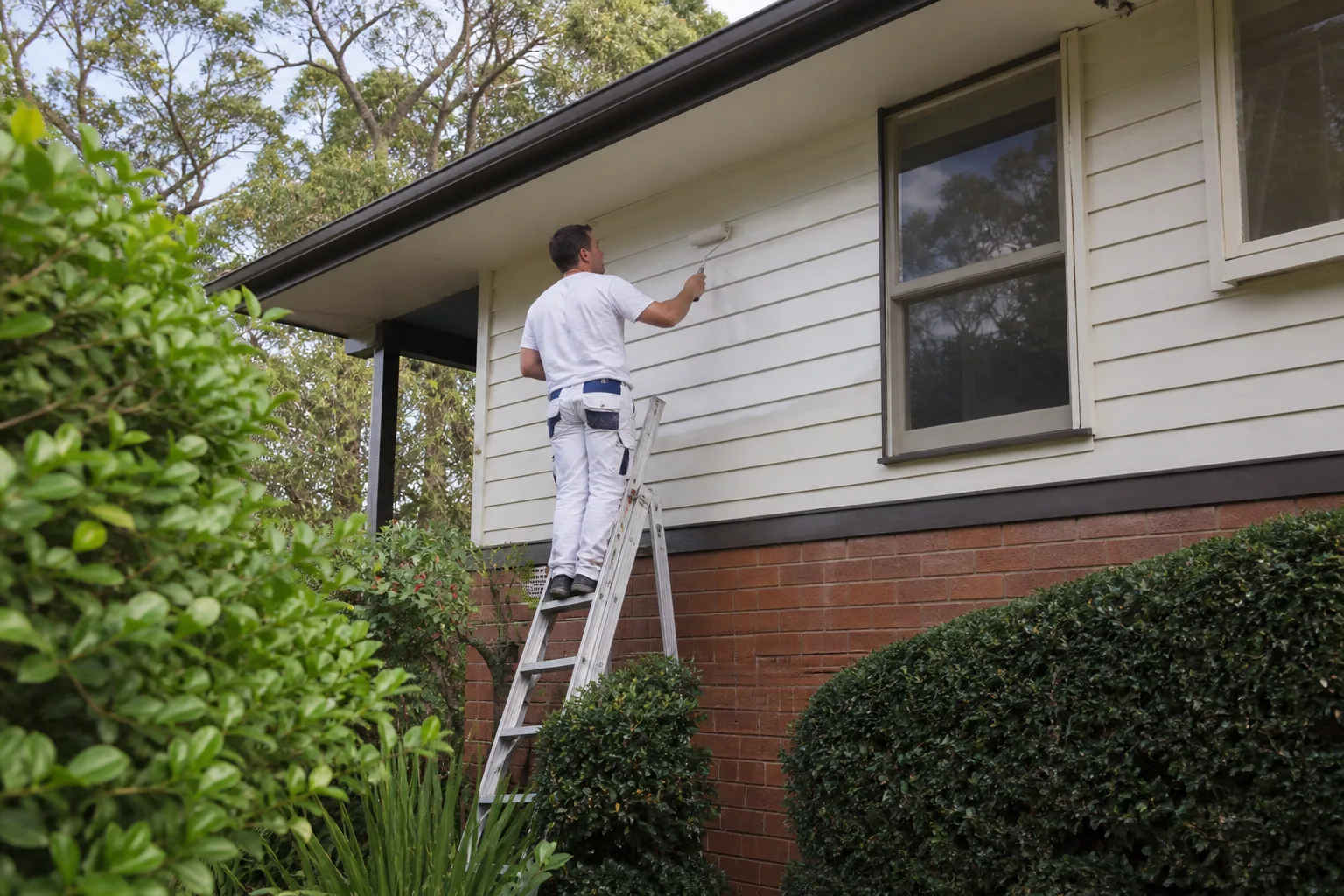
Northcote sits on the western side of the North Shore near the harbour bridge approach, with a town centre tha…
Painters in Northcote →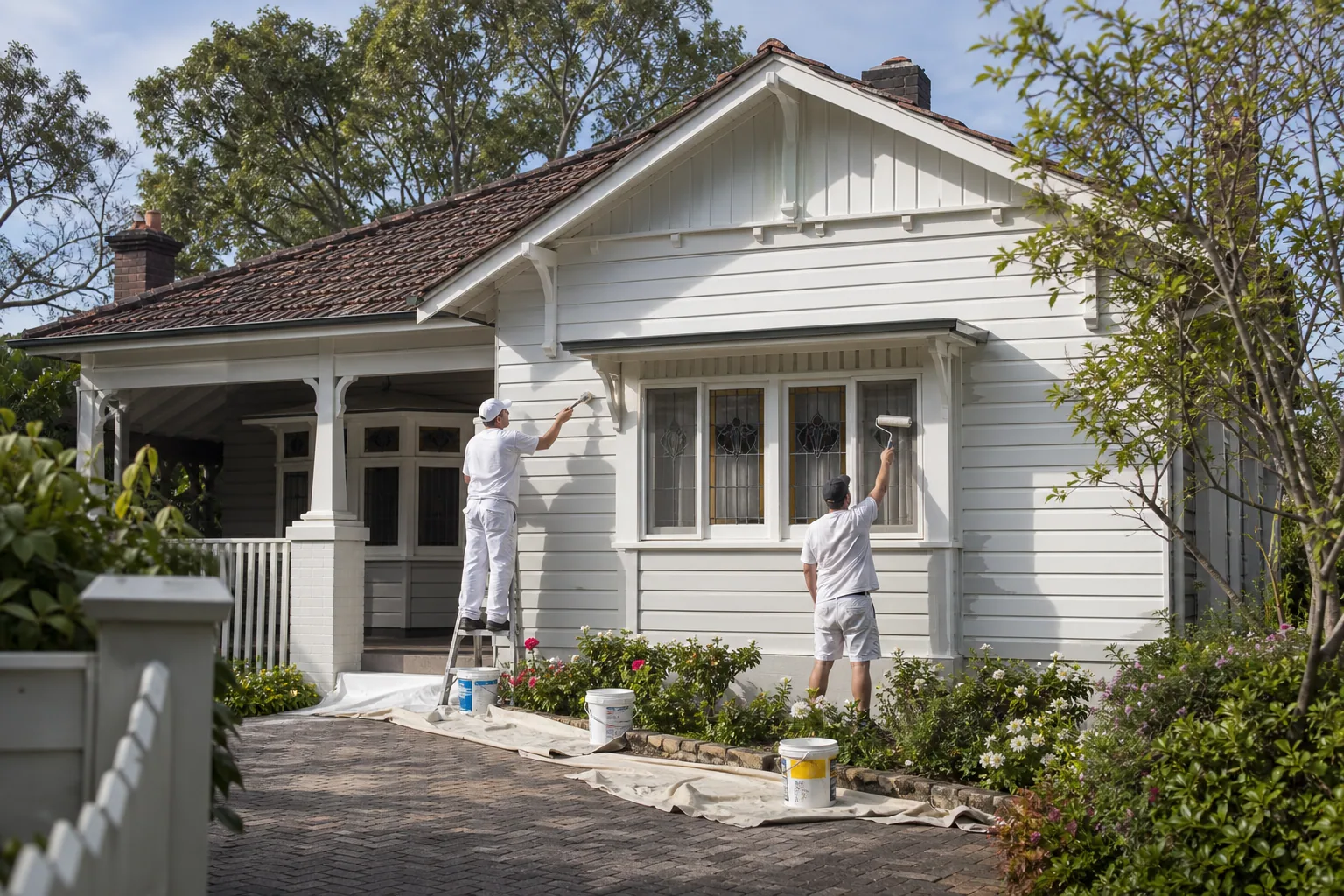
Albany has grown rapidly over recent decades from a semi-rural area into one of the North Shore's major commer…
Painters in Albany →Whether it's a single room or a full property, we bring the same careful preparation to every drywall painting job.
Get in touch today for a free, no-obligation quote — we're happy to talk through the scope before you commit to anything.