Residential Painting
Interior and exterior painting for North Shore homes, from a single room to a full repaint.
Explore service →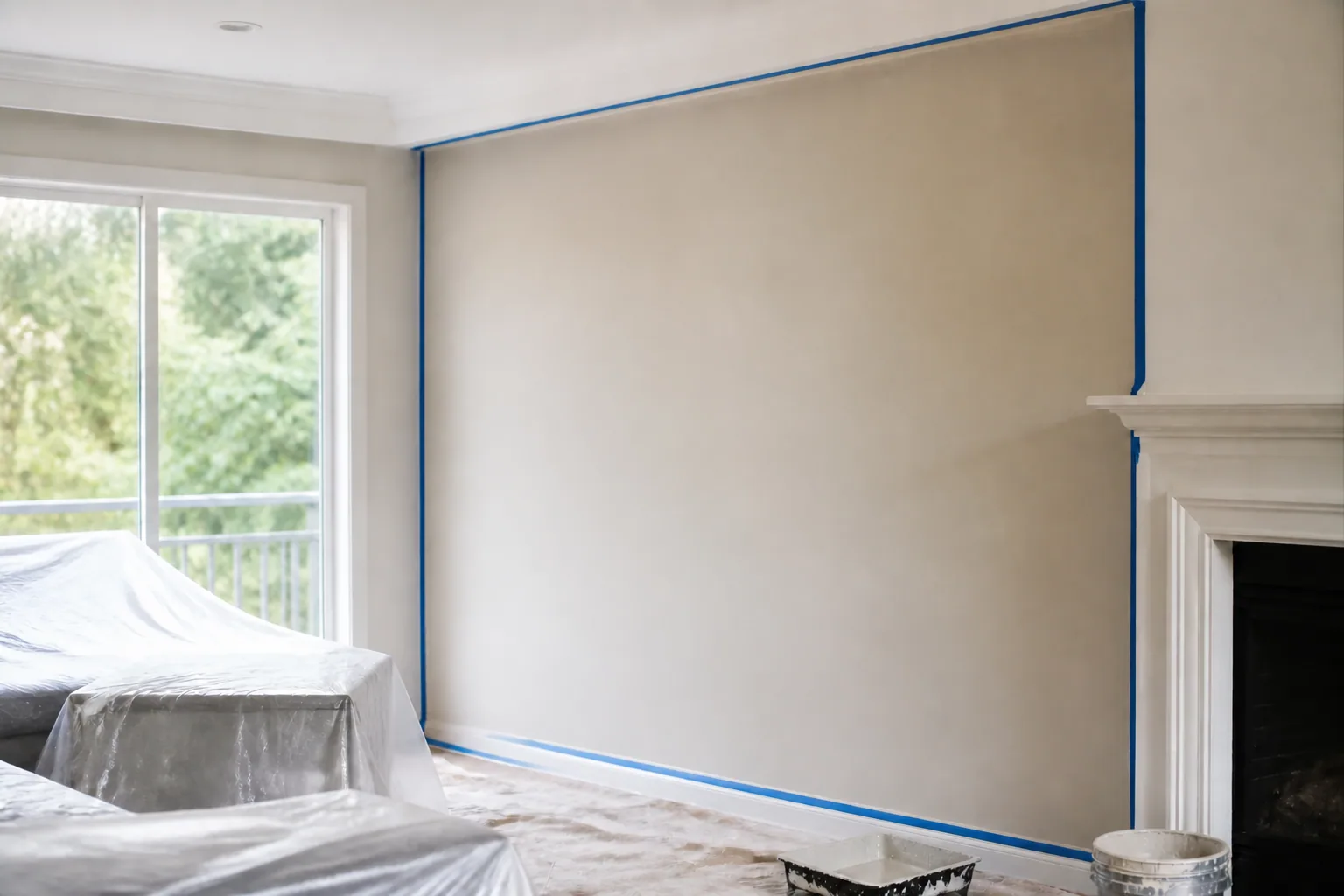
Service
Interior wall, ceiling and trim painting for North Shore homes, prepped for a lasting finish.
Interior House Painting Specialists
For Interior House Painting North Shore, careful preparation, a suitable coating system and a clearly defined quotation shape the project.
Interior paintwork takes a beating over the years, from scuffed skirting boards and marked hallway walls to ceilings that have yellowed or picked up water stains. Even a well-kept home can start to feel flat or dated once the paint loses its freshness, and patchy touch-ups over time rarely blend in the way you'd hope.
We carry out interior painting for homes across the North Shore, working room by room to bring walls, ceilings, doors and trim back to a clean, even finish. Whether you're refreshing one room or repainting the whole interior, the process is the same: proper preparation, careful masking of floors and fixtures, and enough coats to get a consistent result.
We know interior work has to fit around real life, so we plan around your household rather than the other way round, and use low-odour products where practical so rooms can be used again sooner.
Who this is for: This service suits homeowners refreshing tired rooms, families wanting a more durable finish in high-traffic areas like hallways and kids' bedrooms, and anyone preparing a home for sale or a new tenancy. It also covers targeted jobs such as a single feature wall, a ceiling with water staining, or a full interior repaint.
A quick look at what's covered when you book this service.
Furniture is shifted or covered and floors are protected before any preparation starts, keeping dust and paint away from your belongings. This groundwork happens before brushes come out, not as an afterthought once painting is already underway.
Nail holes, small cracks and surface imperfections are filled and smoothed before painting, so the finished wall looks genuinely even. Skipping this step is a common shortcut that leaves small flaws visible once the topcoat goes on.
Repaired areas are sanded flush and spot-primed so they take paint the same way as the surrounding surface. This stops patches from flashing through under certain light, a detail that's easy to miss without proper preparation.
Walls and ceilings are painted in your chosen colours with attention to even coverage and clean lines throughout. We work room by room in a sequence that minimises disruption while still achieving a consistent, professional result.
Doors, skirting boards and architraves are painted alongside the main walls and ceilings, tying the whole room together. These detail areas often use a different sheen to the walls, which we account for during preparation and application.
Windows, power points and fittings are carefully masked before painting begins, protecting them from drips and overspray. This attention to detail is what produces the sharp, clean edges that separate a professional job from a rushed one.
Two coats are applied for consistent coverage across every wall and ceiling, rather than stretching a single coat too thin. This gives a more even, durable finish and helps the chosen colour read true once fully dry.
Masking, drop sheets and any offcuts are cleared away once painting is complete, leaving rooms tidy and ready to use. We don't consider the job finished until the space is genuinely handed back in good order.
Here's what to expect from your first enquiry through to the final coat.
We talk through which rooms are involved, your colour preferences, and any particular problem areas like staining or damaged plaster.
Furniture is moved or covered, floors are protected, and surfaces are filled, sanded and spot-primed ahead of painting.
Ceilings, walls, trim and doors are painted in sequence, with enough drying time between coats for a smooth, even result.
We inspect cut-in lines and coverage with you, touch up as needed, and remove all masking, sheeting and offcuts before we leave.
A few of the things we weigh up when choosing the right product for this job.
Low-sheen or matt finishes suit living areas and bedrooms well, since they help hide minor wall imperfections rather than highlighting them under changing light. This makes them a practical default for most rooms where a soft, even look is wanted.
Semi-gloss or satin finishes on trim, doors and wet areas wipe clean more easily than flatter sheens, which matters in spaces that see regular contact or moisture. The extra durability is worth the trade-off in these specific spots.
Kids' rooms and busy hallways benefit from washable finishes that can handle regular cleaning without marking or losing their sheen. These products are formulated to resist scuffing better than a standard flat wall paint in the same areas.
Low-odour, low-VOC paints let rooms be reoccupied sooner after painting, which matters in a home you're still living in throughout the project. Modern formulations achieve this without giving up much in the way of durability or finish quality.
Ceilings with old water staining need a stain-blocking primer before topcoating, or the mark can bleed through the new paint over time. This step is essential once any underlying leak has been fixed, sealing the stain rather than just covering it.
A full ceiling or wall coat, rather than a spot touch-up over patched areas, gives the most even result once different lighting hits the surface. Isolated touch-ups tend to show as a slightly different sheen or tone against the surrounding paint.
What to expect in terms of timing and access while the work is underway.
Interior painting is usually the most disruptive to daily routines, simply because it happens inside the rooms you use every day. We work through the property in stages, so bedrooms, living areas and bathrooms aren't all out of action at once, and we'll agree on furniture arrangements before we start. Most rooms need at least a few hours of drying time between coats, and it's best to keep pets and young children away from wet paint until it's fully cured.
A few reasons homeowners and property managers choose not to DIY this job.
A smooth, even finish without visible roller or brush marks comes down to technique, the right paint, and enough coats applied correctly. We aim for coverage that looks consistent under any light, not just good enough to pass a quick glance after the job's done.
Clean, straight lines where walls meet ceilings, trim and fixtures make the biggest visual difference to a finished room. Careful masking and a steady hand at every edge are what separate a crisp, professional result from paint that's crept onto the cornice or skirting.
Filled nail holes, dents and cracks need proper sanding and spot priming, or they'll flash through the topcoat under certain light. Getting this stage right the first time means the finished wall looks genuinely smooth, not just painted over existing imperfections.
Working room by room in an efficient sequence keeps each part of the home out of use for the shortest time possible. That planning matters more than it seems, especially in a house you're still living in throughout the project.
High ceilings, stairwells and awkward interior spaces need the right ladders and platforms, used safely, to get an even finish across the whole surface. We come equipped for the access challenges specific to your home rather than guessing on the day.
Matching sheen and colour across connecting rooms and hallways avoids an obvious patchwork look where one wall catches the light differently to the next. Consistency here is easy to get wrong without experience, and it's one of the first things a trained eye notices.
Straight answers to the questions we're asked most often about interior painting.
Yes, most interior jobs are done in stages so you can keep using the rest of the home. We'll plan the order of rooms around what works best for your household.
Paint is generally touch-dry within a few hours, but it continues to cure for longer, so we'll let you know a sensible timeframe before moving furniture back into place.
In many cases, yes. If you can provide the colour code or a sample, we can match it closely so the new work blends in with the rest of the house.
Once we know the leak has been fixed, we can treat the stain with a suitable sealing primer before painting over it, so it doesn't bleed through the new coat.
This depends on the existing surface and colour change involved, and will be set out clearly in your written quotation so you know exactly what's included.
Other services North Shore properties often combine with this one.
Interior and exterior painting for North Shore homes, from a single room to a full repaint.
Explore service →Crisp, durable painting of skirting boards, architraves, cornices and dado rails for a finished, polished look.
Explore service →Repairing cracked, damaged or water-stained plaster so walls and ceilings are sound before painting.
Explore service →Professional guidance on choosing colours suited to your home's style, light and setting before painting begins.
Explore service →A sample of the suburbs where we take on this kind of work.
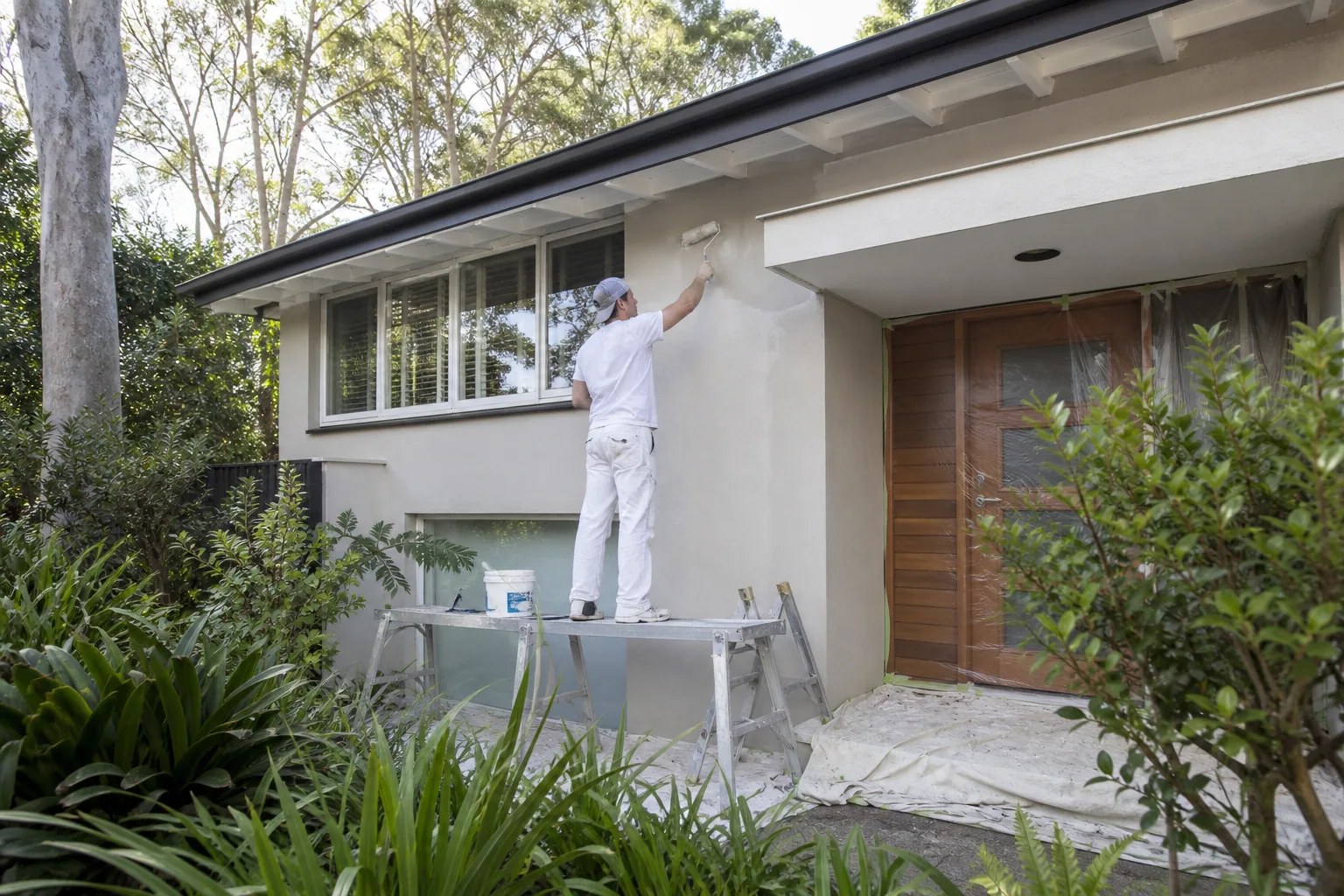
Milford sits between Takapuna and Castor Bay, built around a small boutique shopping village, a beach and a ma…
Painters in Milford →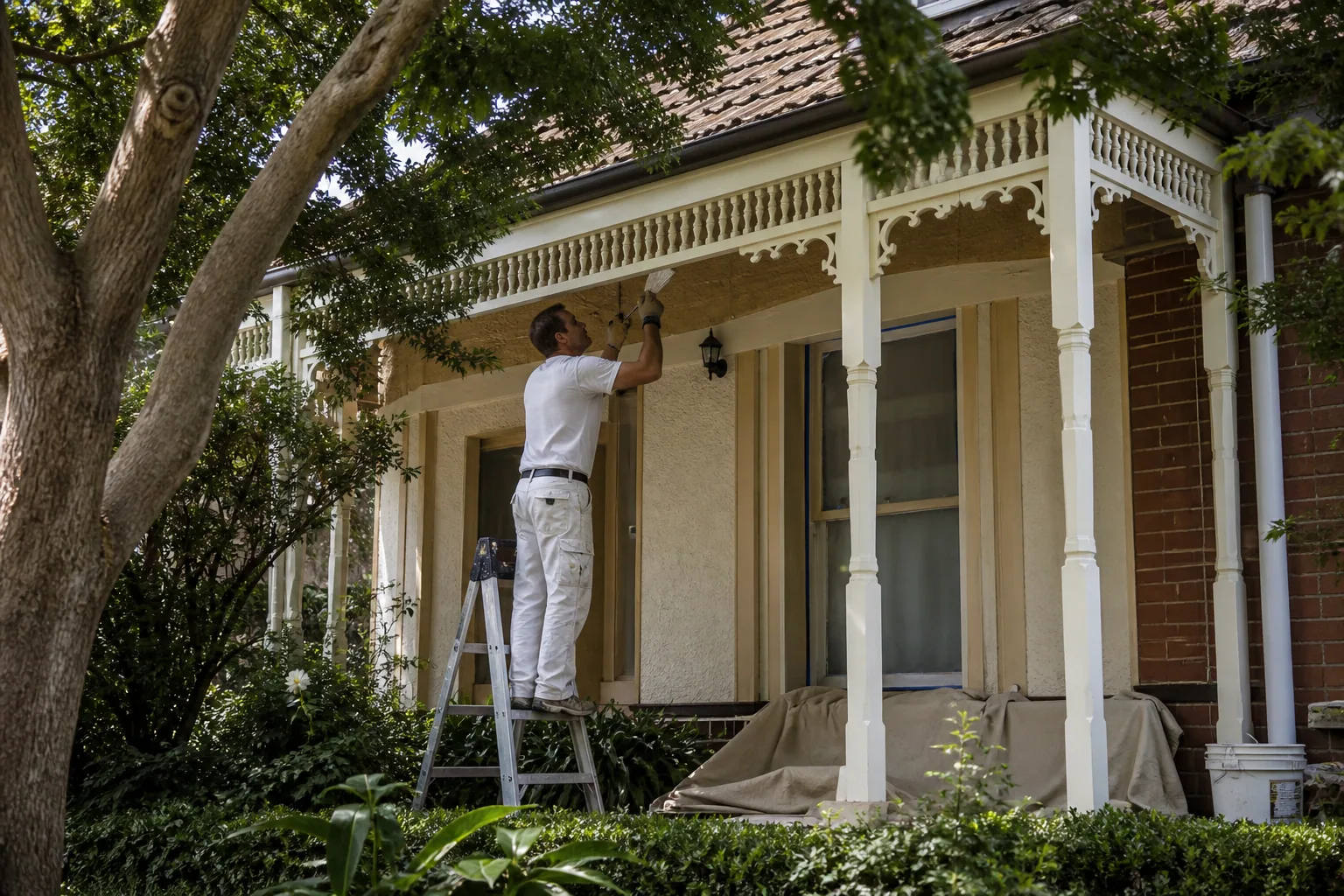
Glenfield is an established inland suburb built up mainly from the 1960s through the 1980s, with a genuine mix…
Painters in Glenfield →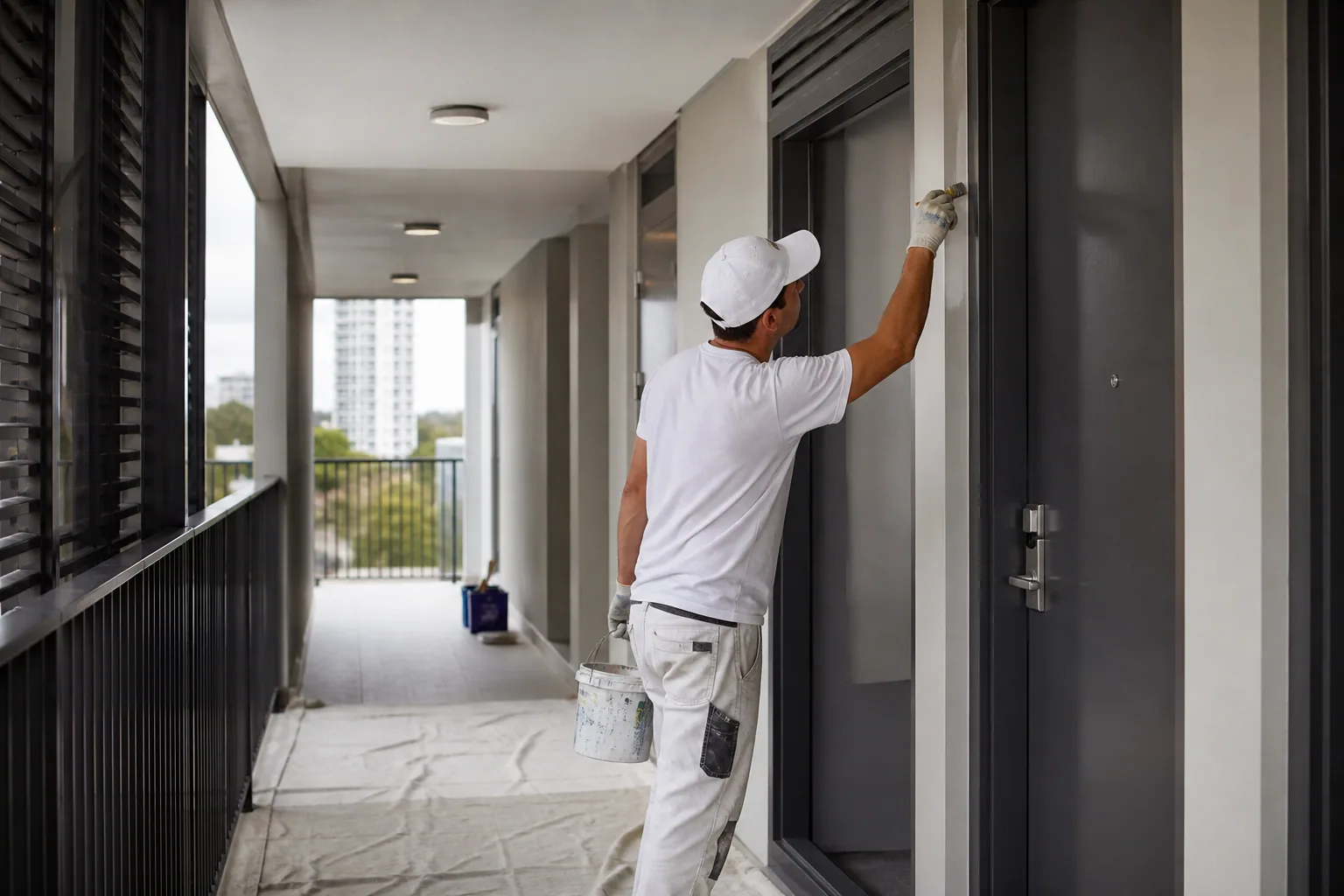
Sunnynook is a central North Shore suburb near the main motorway corridor, made up mainly of family homes buil…
Painters in Sunnynook →Whether it's a single room or a full property, we bring the same careful preparation to every interior painting job.
Get in touch today for a free, no-obligation quote — we're happy to talk through the scope before you commit to anything.