Resource guide — Updated 10 August 2026
Painting Preparation Checklist
A room-by-room, yard-by-yard checklist to get your home ready for painters.
Preparing for Your Painter
Painting Checklist: Preparation
Use this Painting Preparation Checklist to clarify access, protection and practical decisions before your painters arrive.
Before the Painters Arrive
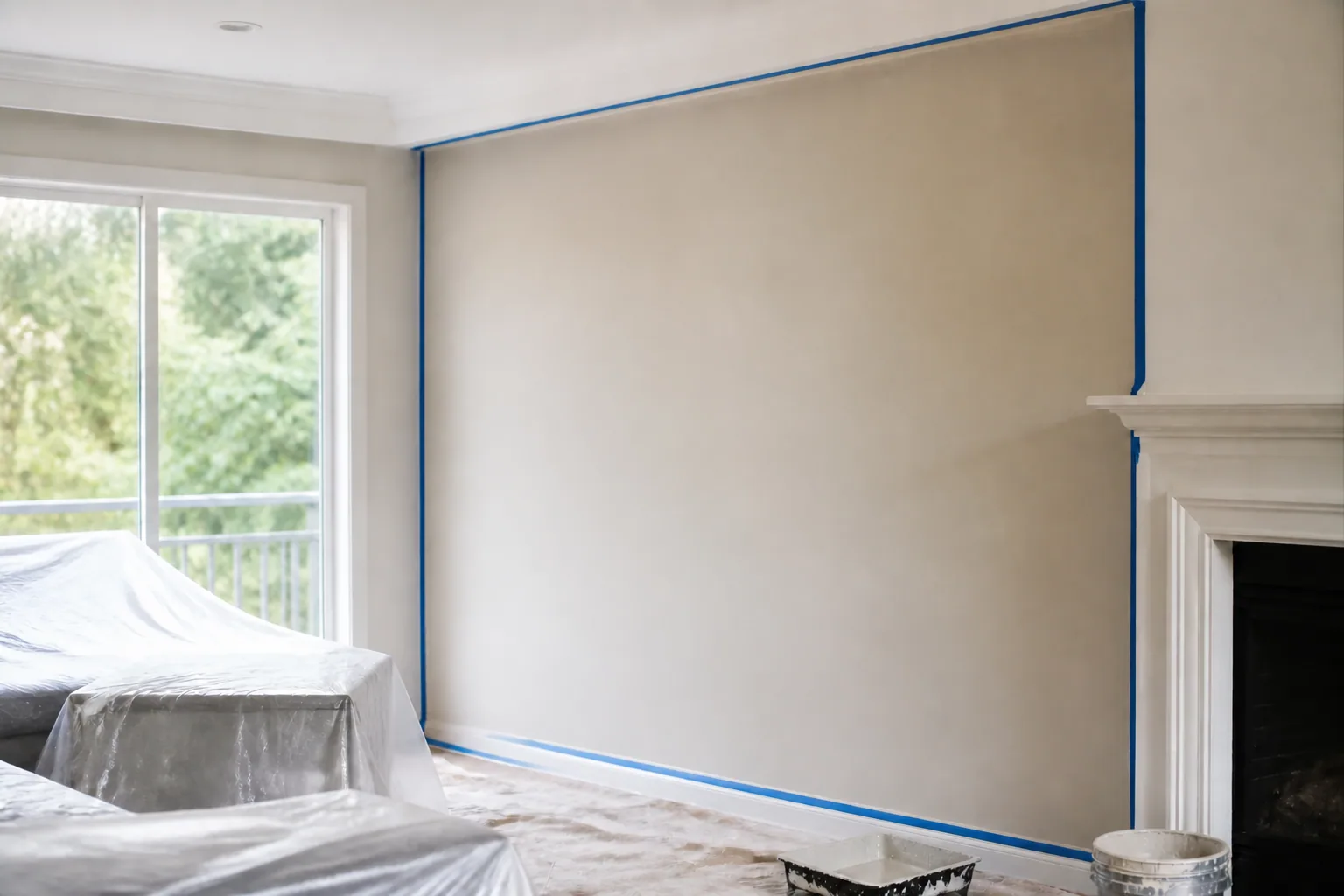
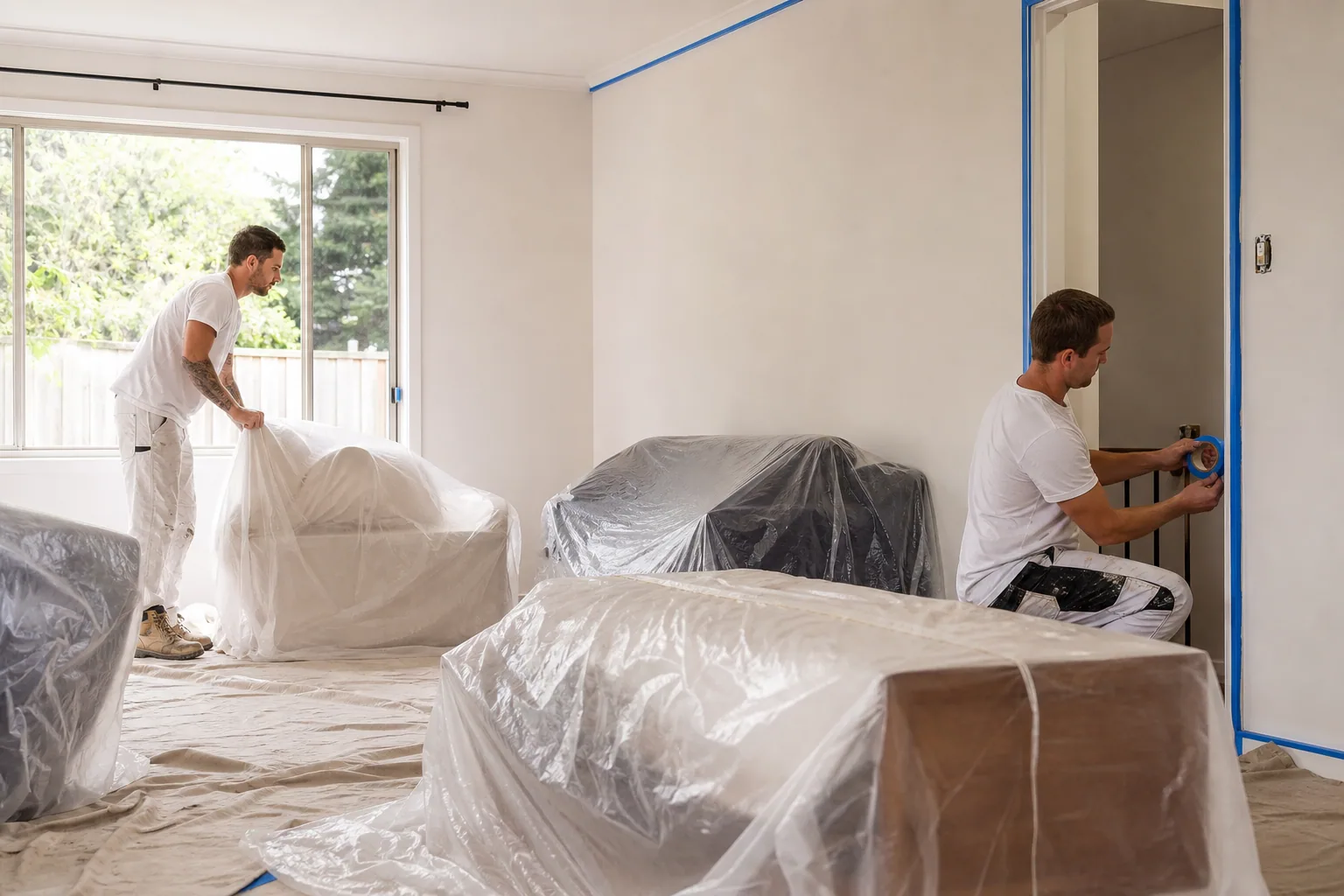
Declutter the surfaces and floor space in any areas being painted, and remove wall art, mirrors and curtains from the walls involved. Most painters will shift larger furniture to the centre of the room and cover it themselves, but setting aside valuables, breakables and anything fragile in advance protects them and speeds up the job considerably.
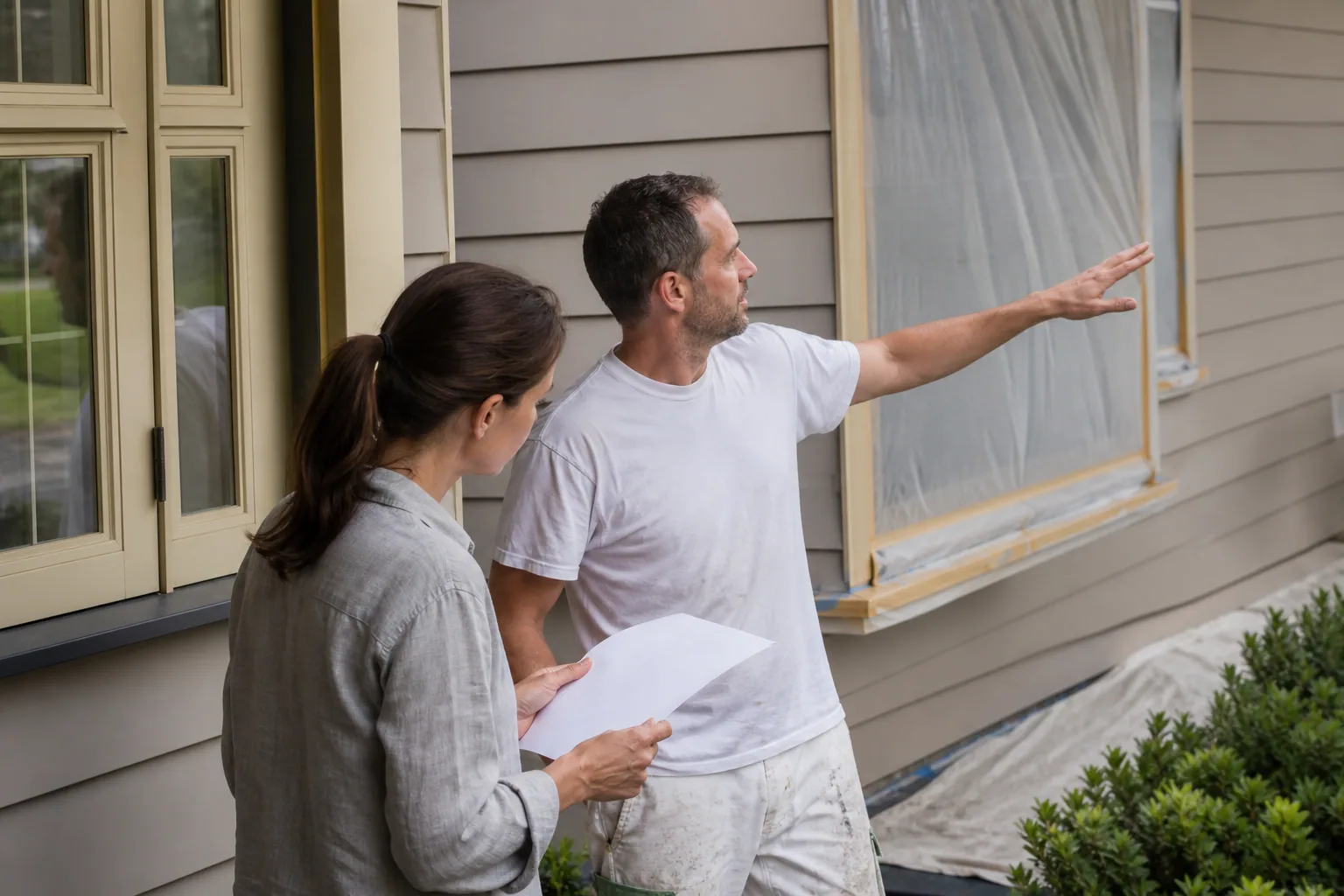
It's also worth flagging any access restrictions, fragile fixtures, or areas you'd rather the crew avoid before work starts, rather than mentioning it partway through the job.
Getting Interior Rooms Ready
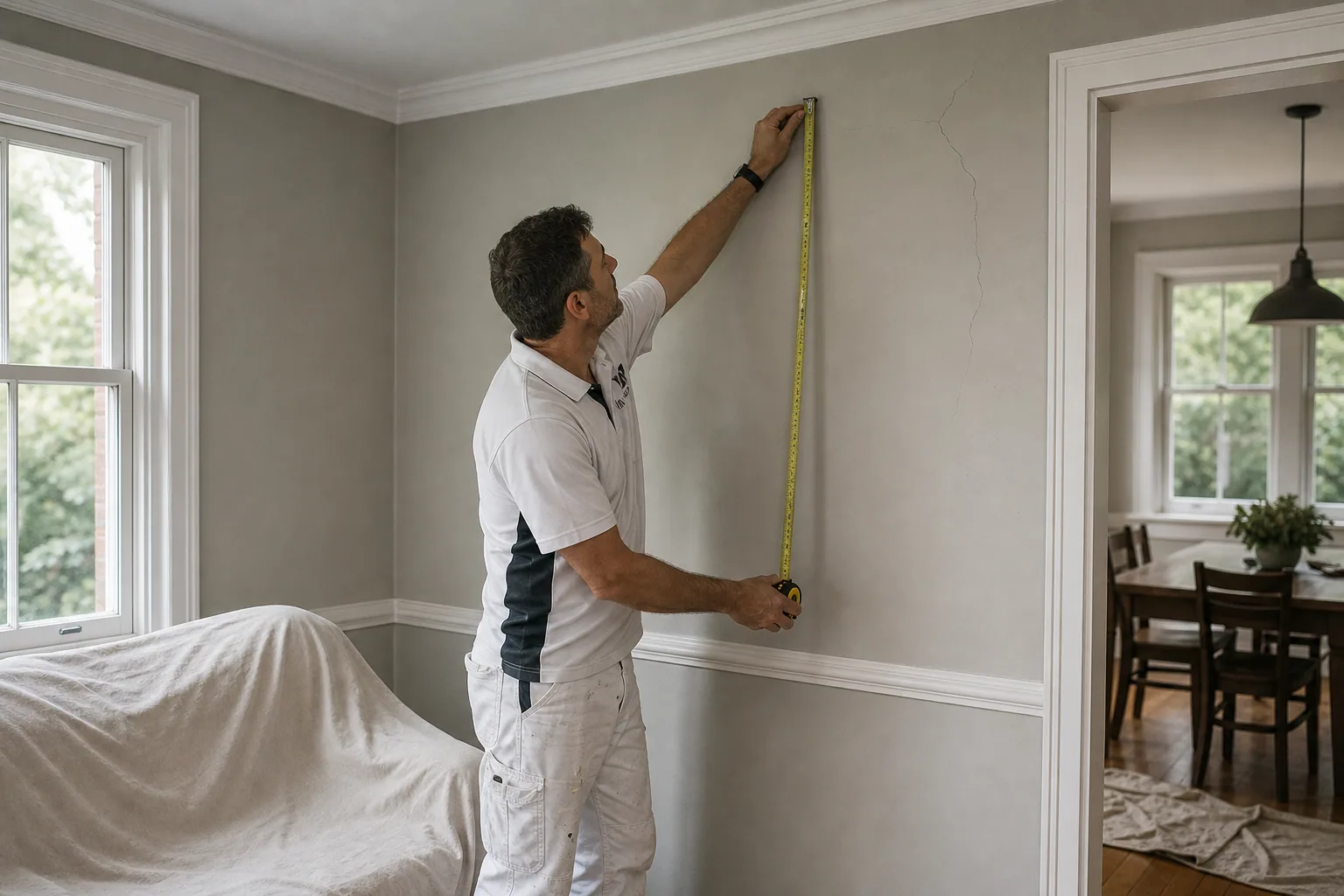
Point out any cracks, holes or damp patches you've noticed so they can be properly addressed as part of the job rather than discovered partway through. Clear pathways for ladders and trestles, and think ahead about pets and young children, particularly for rooms being sprayed or where strong odours might linger for a period.
If low-VOC paint isn't a specific priority for your household, consider ventilation planning anyway, especially in smaller or enclosed rooms.
Getting the Exterior Ready
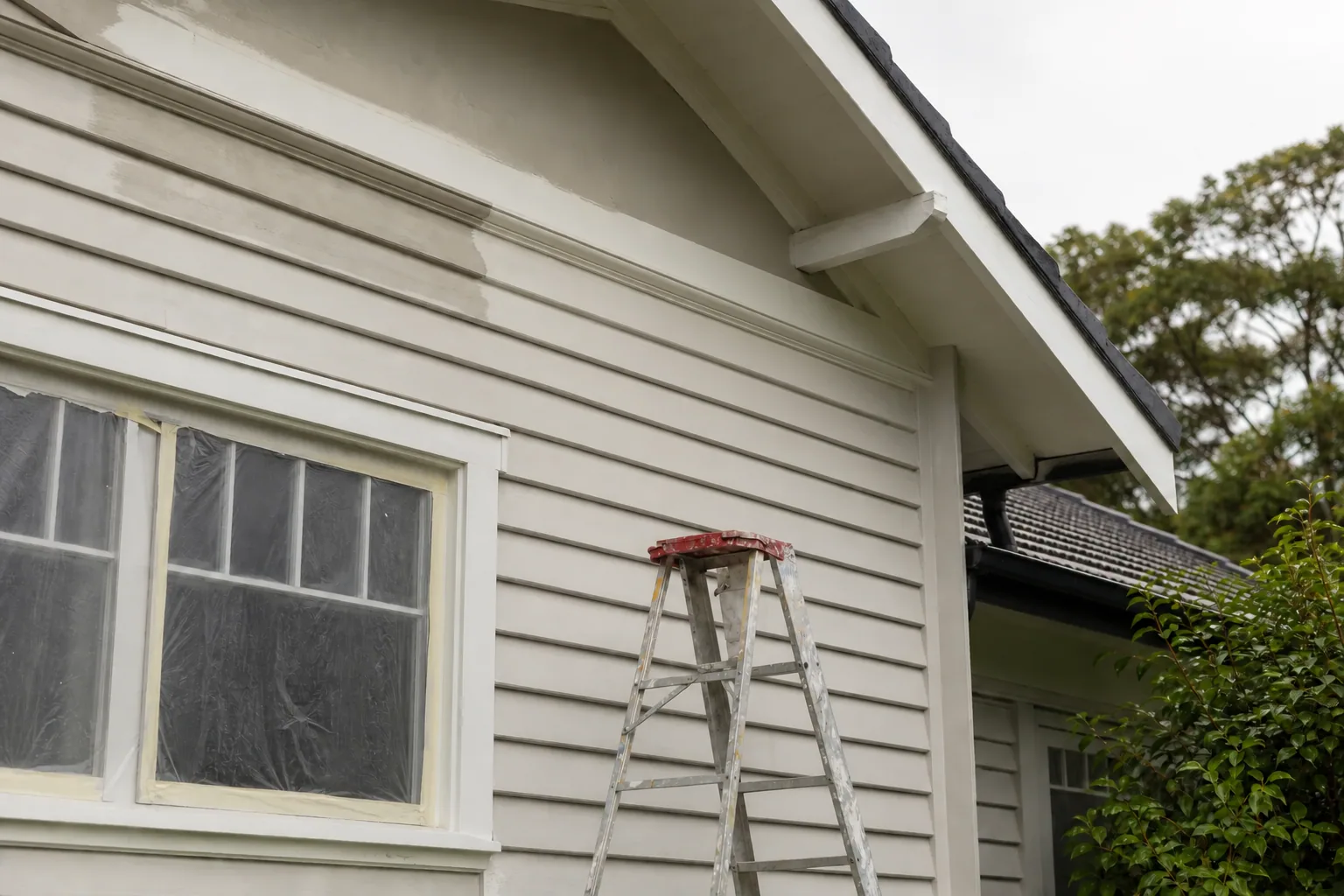
Move cars, outdoor furniture and pot plants away from the walls being painted, and trim back any shrubs or trees that are touching or close to the house. Secure or relocate garden ornaments, make sure gates and side access paths are clear for equipment, and confirm whether the crew will need access to water or power points on site.
Lock In Colour and Finish Decisions Early
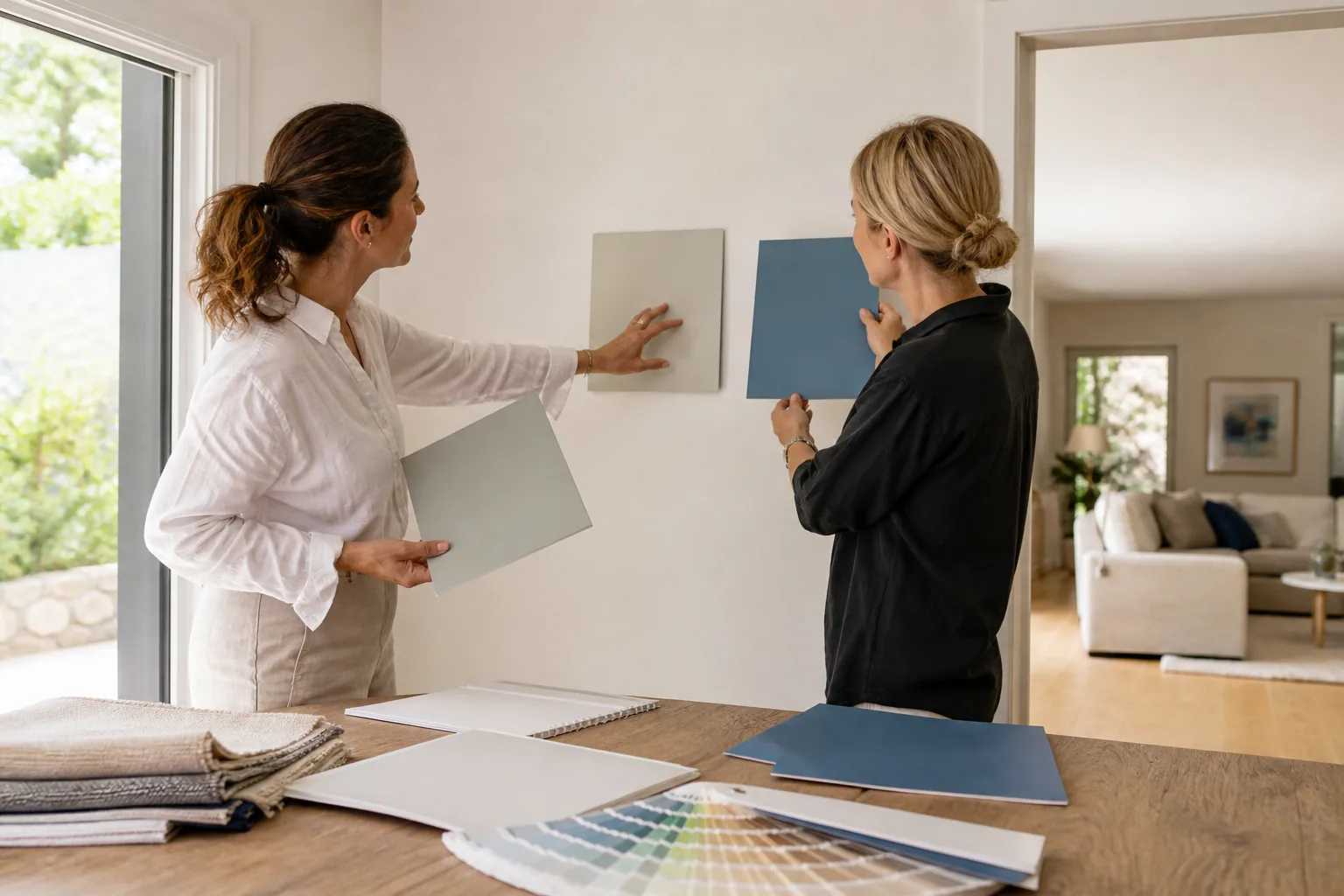
Choosing colours and sheen levels before the start date helps avoid delays once work is underway. Test larger sample swatches directly on the actual walls and view them at different times of day, since morning and afternoon light, and natural versus artificial light, can change how a colour reads quite dramatically.
Confirm trim and feature wall colours in writing on the quote itself, so there's no ambiguity once the crew is on site and ready to start cutting in.
Day-Of and After Painting
Plan for some noise and odour disruption during the job, and keep pets and children away from wet paint, ladders and equipment while work is underway. Ask your painter about specific recoat and 'safe to touch' times for the products used before hanging anything back on the walls or moving furniture into place.
A short walkthrough with the painter at completion, before final payment, is a sensible way to check the finish and flag anything that needs a final touch-up.
Sources & further reading
Authoritative references for the safety, planning and product considerations discussed in this guide.
Frequently asked questions
Quick answers to follow-up questions on this topic.
Usually not entirely. Most painters will shift larger furniture pieces to the centre of the room and cover them, but clearing smaller items, wall décor and valuables yourself beforehand speeds things up and helps protect your belongings.
It helps to have a shortlist of colours before the quote stage, since a dramatic colour change can affect the number of coats needed, but final colour confirmation can happen once you've seen larger samples on the actual walls.
Keep pets away from work areas, wet paint and equipment, and consider a day out or a secured room, particularly during noisy or strong-smelling stages of the job such as spraying.
This depends on the specific paint product and the weather conditions on the day, so it's best to ask your painter for the exact recoat and 'safe to touch or lean on' times rather than assuming a standard drying time applies.