Resource guide — Updated 10 August 2026
Exterior Paint for Auckland's Climate
What exterior paint needs to survive Auckland's rain, humidity, salt air and UV.
Auckland Exterior Coatings
Auckland Climate Exterior Paint
Choosing Exterior Paint for Auckland's Climate means balancing exposure, substrate, sheen and preparation rather than relying on one product name.
Standing Up to Auckland's UV Exposure
New Zealand experiences some of the highest UV levels in the world, and north- and west-facing walls in Auckland take intense direct sun for much of the year. Higher-quality exterior acrylic paints with good UV-resistant pigments and binders tend to hold their colour and resist chalking for longer than budget-tier products under this kind of exposure.
This matters most with darker colours, which absorb more heat and generally fade faster than lighter tones on the same elevation, so colour choice and paint quality are worth considering together on sun-facing walls.
Managing Humidity, Mould and Moisture
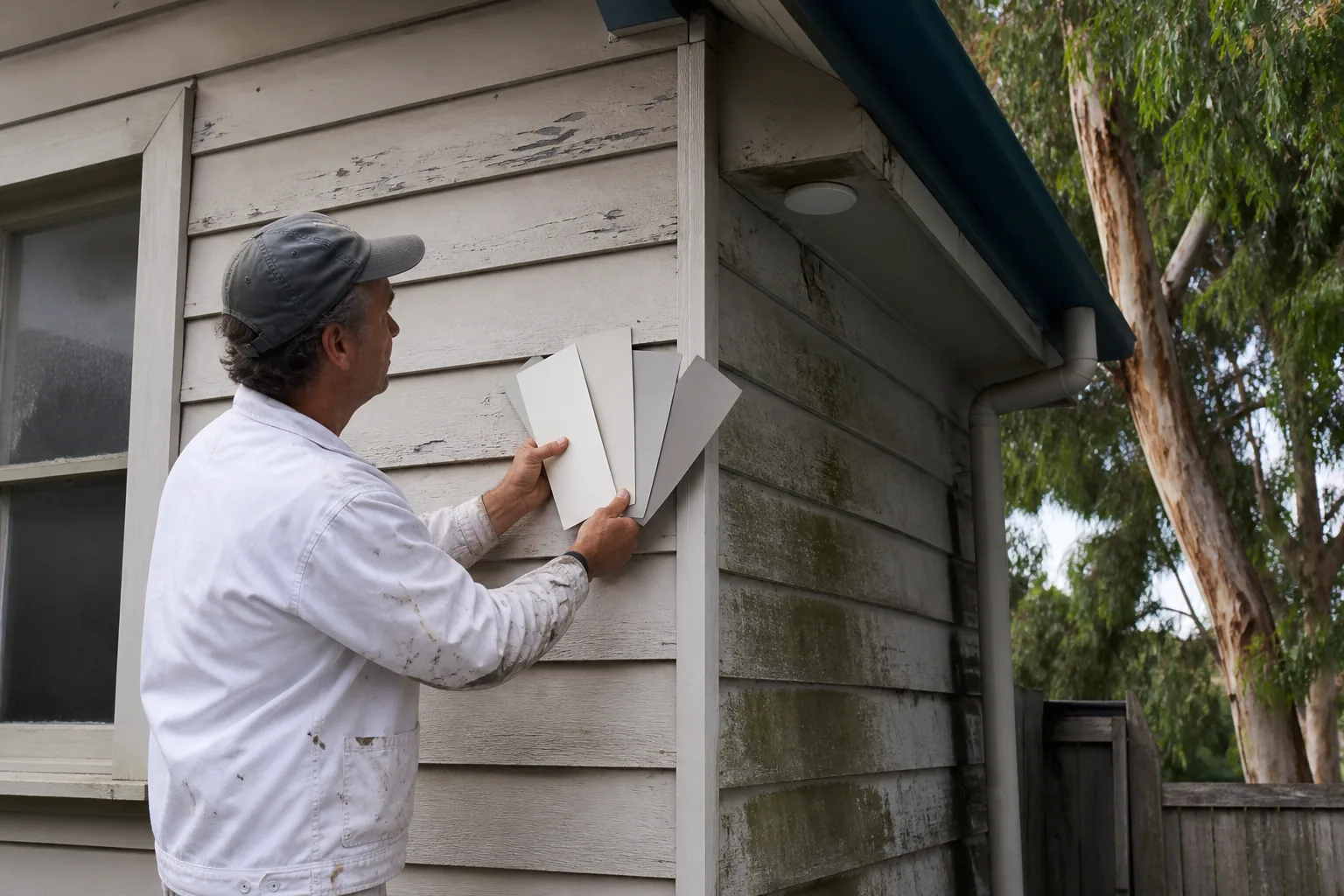
Auckland's humid, damp climate holds moisture against exterior surfaces for much of the year, and shaded or poorly ventilated spots such as under eaves, south-facing walls, and areas close to dense garden beds are where mould and mildew take hold fastest. Exterior paints formulated with mould and mildew-resistant additives help, but good preparation, including thorough washing down and allowing surfaces to dry properly before painting, matters just as much as the product itself.
Coastal and Harbourside Salt Exposure
North Shore properties near the harbour or closer to the coast face airborne salt that can accelerate the breakdown of paint film and corrode metal fixtures and fasteners over time. For these homes, a paint system rated for coastal or marine exposure, along with more frequent gentle washing to remove salt build-up, helps the paint job perform as intended for its full expected life.
Coping With Storms and Sudden Weather Changes
Auckland's weather can turn quickly, with spells of sustained heavy rain and, during the warmer months, the occasional ex-tropical storm putting real stress on exterior surfaces. Flexible, elastomeric-type coatings can better accommodate the expansion and contraction of substrates like timber weatherboard, and are worth discussing for any home with a history of movement or recurring cracking.
Matching the Paint System to the Substrate
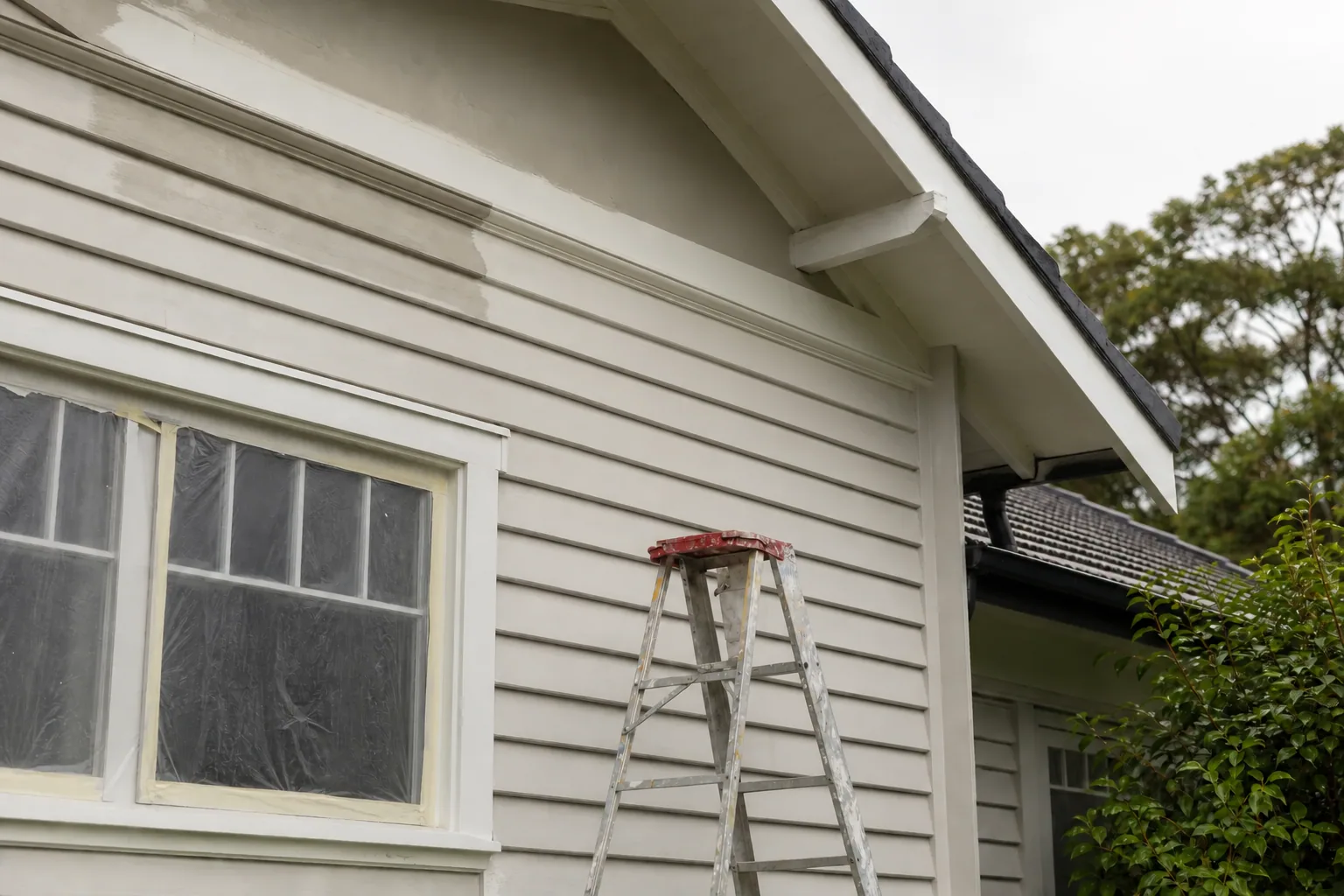
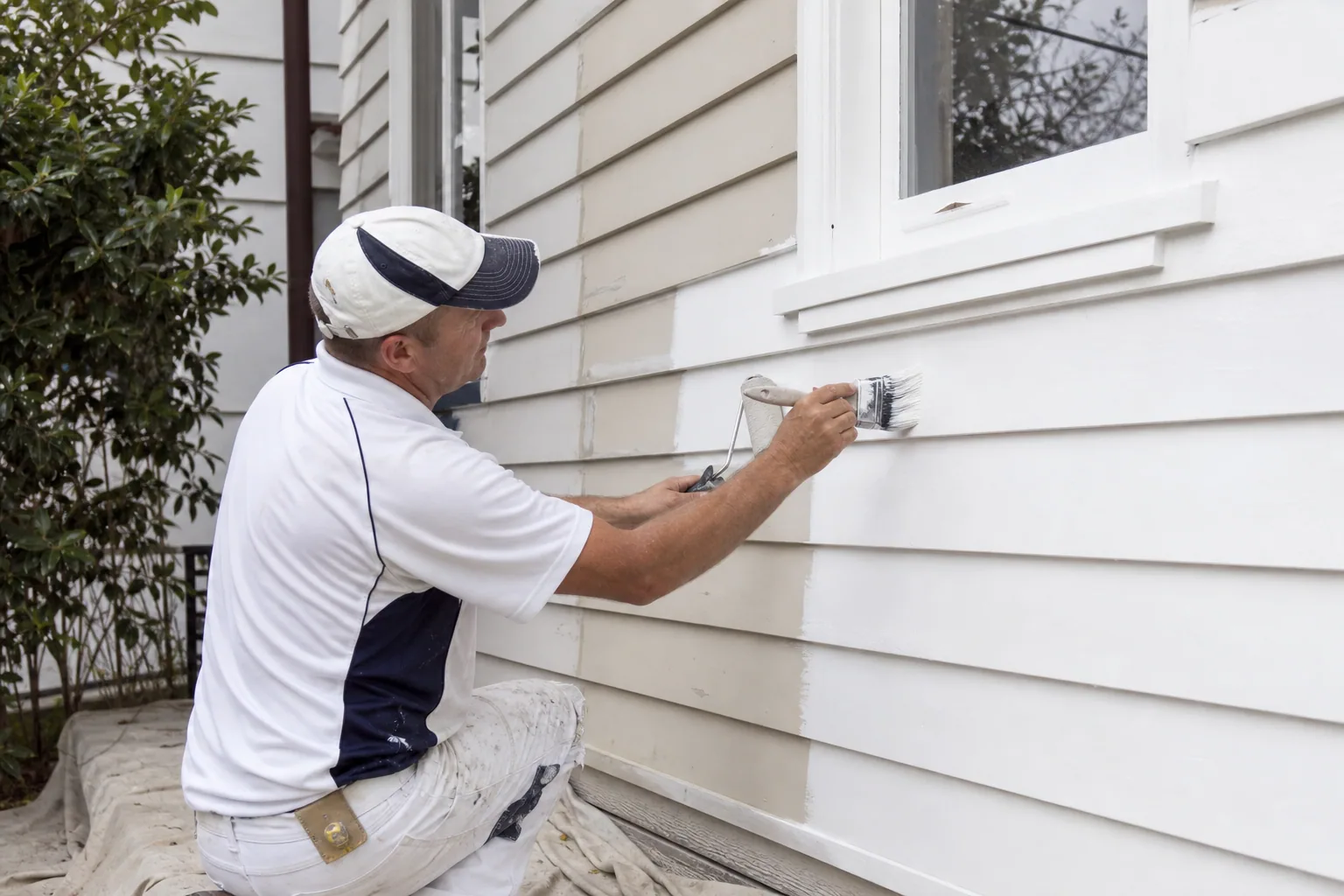
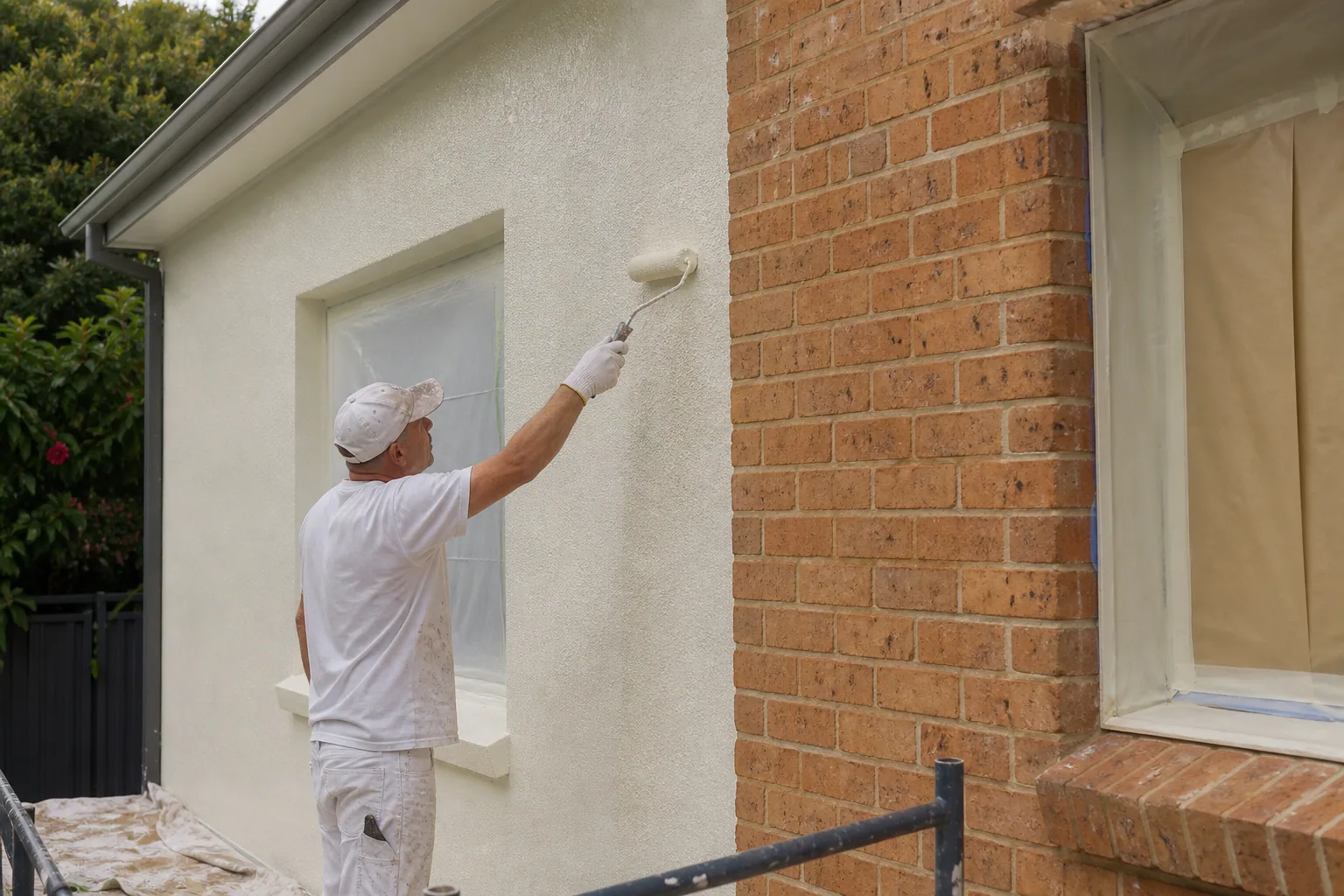
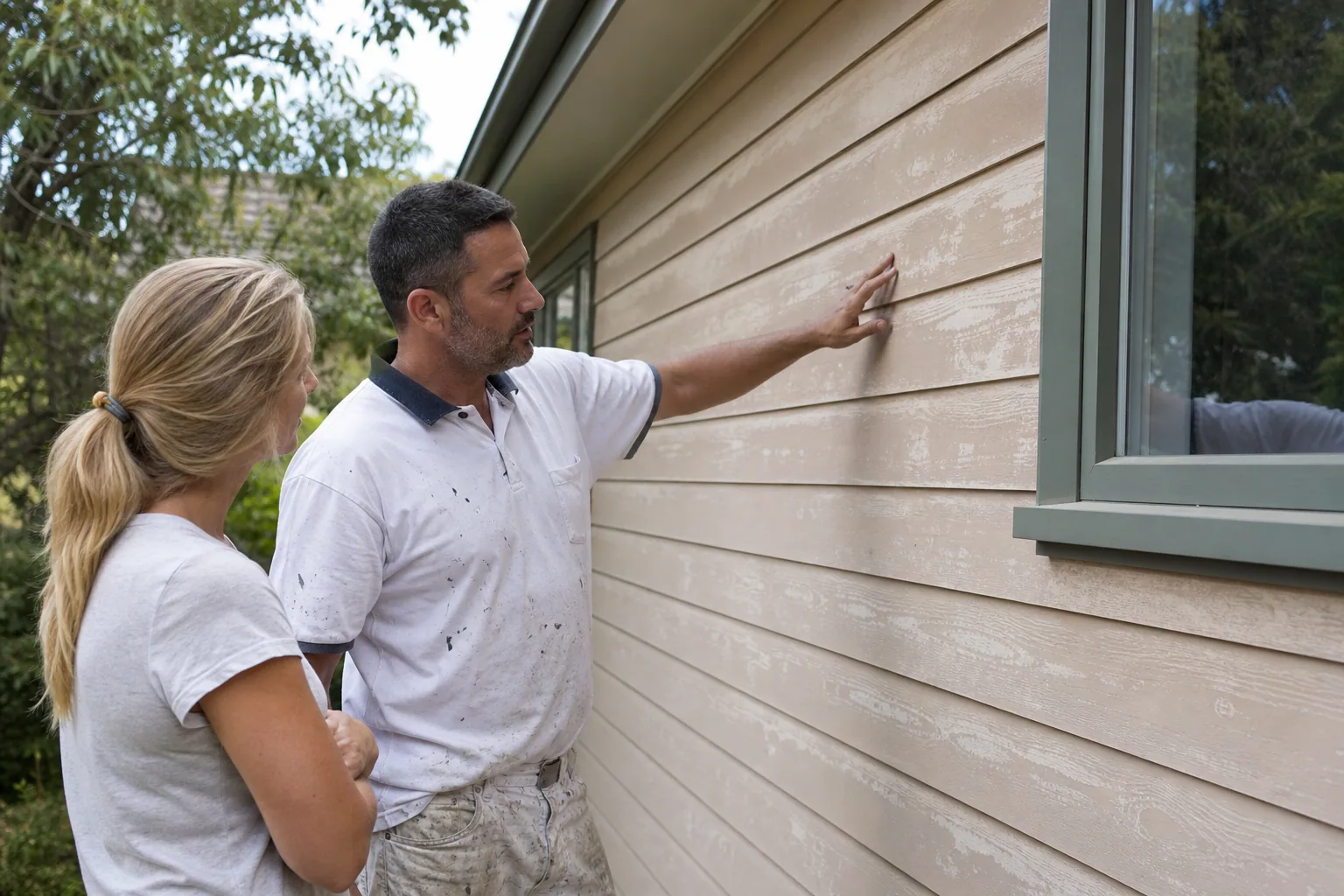
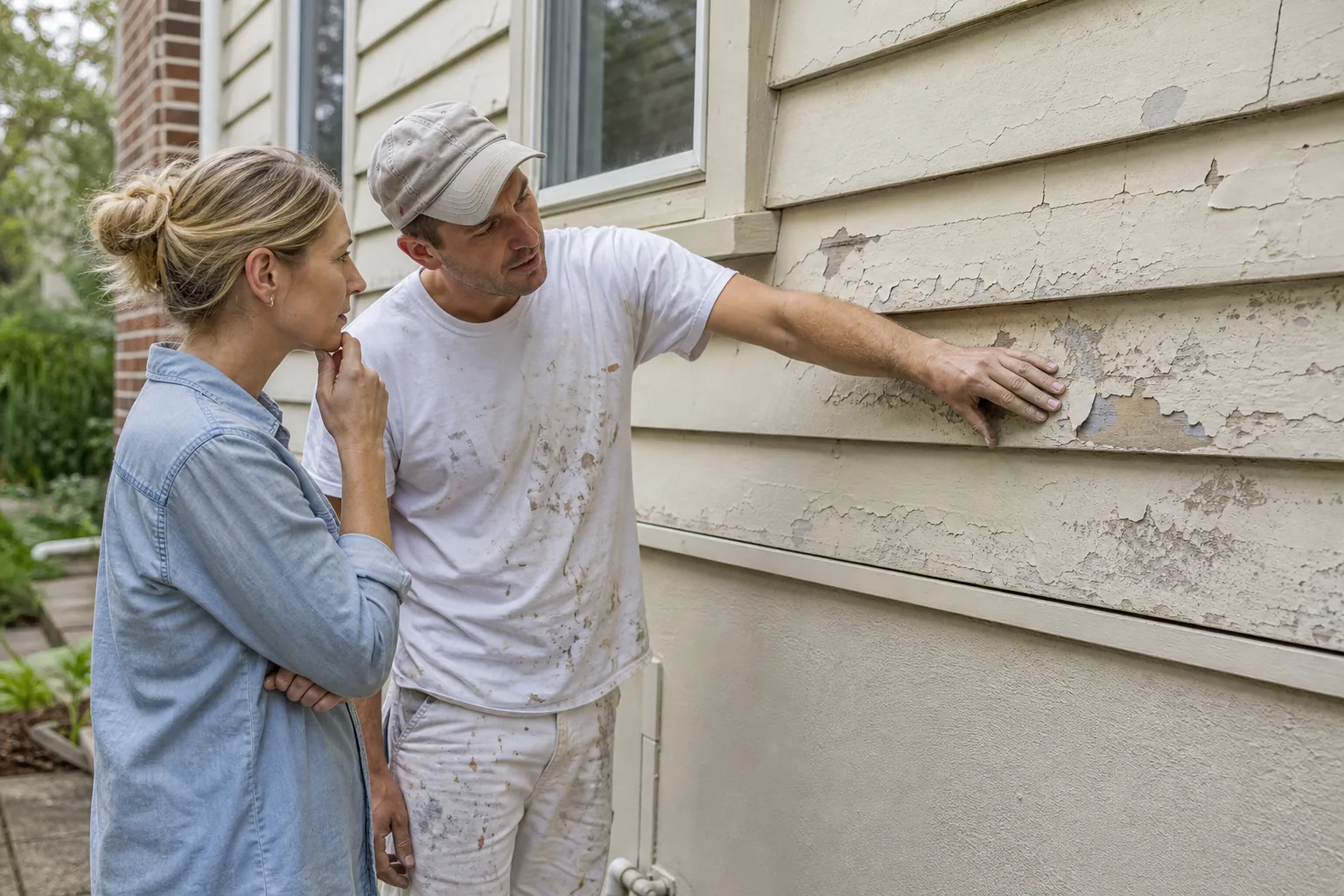
Timber weatherboard needs a breathable, flexible paint film that can move with the timber as it expands and contracts. Render and masonry benefit from paints with good alkali resistance and the ability to bridge fine hairline cracks. Previously painted surfaces need a compatible product to avoid adhesion problems between old and new coats, so it's worth having a painter assess your specific walls before settling on a product.
Sources & further reading
Authoritative references for the safety, planning and product considerations discussed in this guide.
Frequently asked questions
Quick answers to follow-up questions on this topic.
Not an entirely different paint, but a system rated for coastal or marine exposure, combined with more frequent washing between coats, helps counter salt-related breakdown on harbourside and coastal properties.
Modern water-based acrylics are generally preferred for most exterior work today, offering good flexibility and UV resistance along with easier long-term maintenance. Oil-based, or solvent-based, paints were once common but are now used more selectively, often for specific trim work or touch-up compatibility with existing coatings.
Generally, yes. Premium exterior paints tend to use more UV-resistant pigments and better binders that resist chalking and fading for longer than budget-tier products, though proper surface preparation still matters just as much as the paint chosen.
The same paint system can usually be used across a whole home, but north- and west-facing walls, which take the most direct sun, can benefit from lighter colours and premium UV-resistant formulations to slow fading and chalking.